What is arthritis?
Arthritis is a broad term for conditions that affect joints and surrounding tissues. It can cause pain, stiffness, swelling, reduced movement and difficulty with everyday tasks. Arthritis is not a single disease, which is why an accurate diagnosis is important.
Some types are mainly related to joint changes over time; others are inflammatory or autoimmune conditions that need early specialist treatment to protect joint function and overall health.
Arthritis symptoms
Joint symptoms
- Pain, aching or tenderness in one or more joints
- Stiffness after rest or in the morning
- Swelling, warmth or visible joint changes
- Reduced range of motion, weakness or instability
- Grating or crackling sensations in some joints
Symptoms that can suggest inflammation
- Prolonged morning stiffness
- Swelling in several joints, often on both sides
- Fatigue, fever or unintentional weight loss
- Eye, skin or bowel symptoms alongside joint pain
Types of arthritis
Osteoarthritis
The most common form of arthritis. It often causes activity-related pain and stiffness in the knees, hips, hands, feet or spine. Symptoms can fluctuate and do not inevitably worsen.
Rheumatoid arthritis
An autoimmune inflammatory condition that often affects small joints of the hands and feet on both sides. Early rheumatology assessment can reduce the risk of joint damage.
Other forms
Gout, psoriatic arthritis, ankylosing spondylitis, reactive arthritis and arthritis related to infection need different assessment and treatment plans.
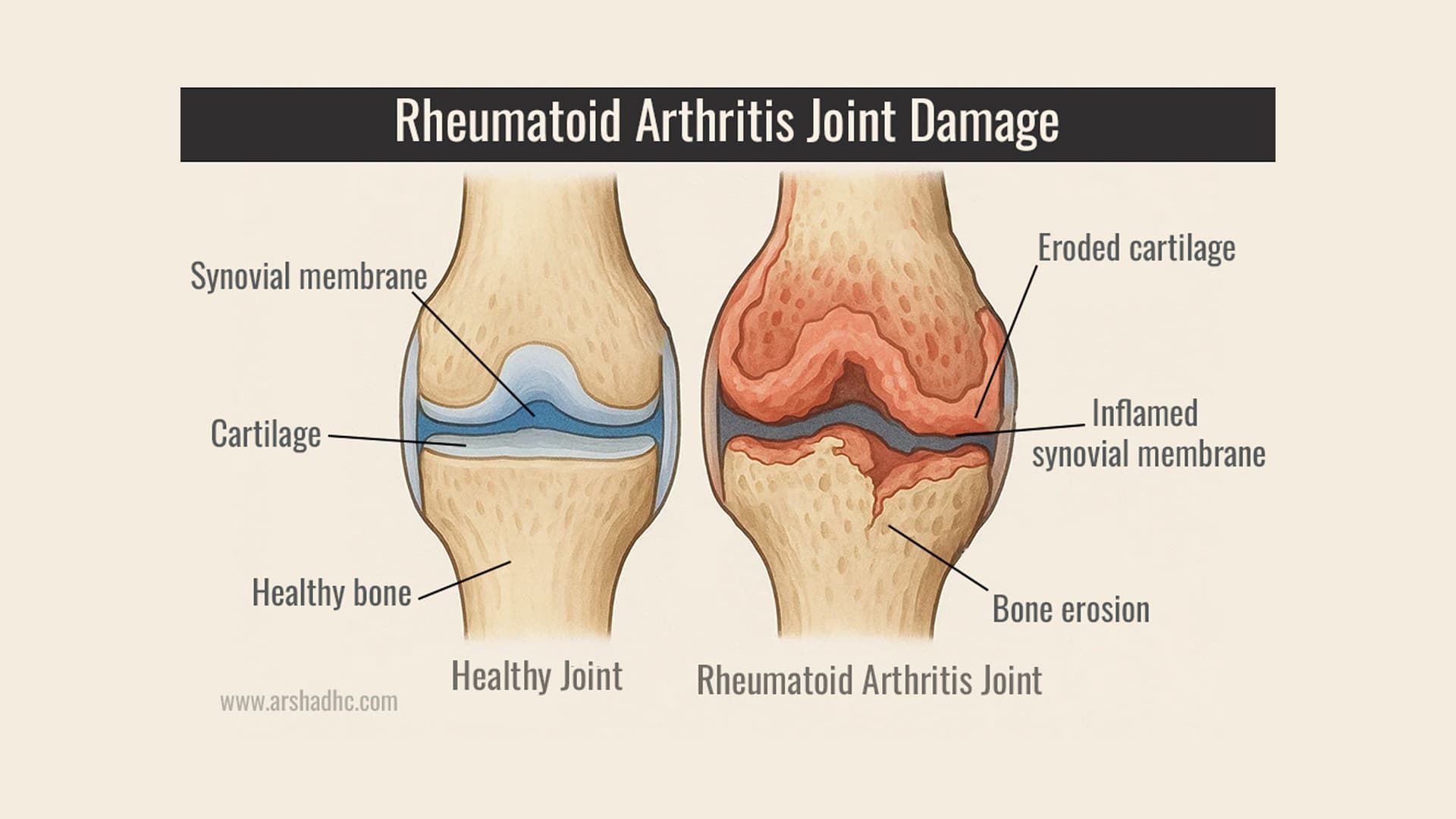
Arthritis diagnosis
A clinician considers which joints are affected, when stiffness occurs, medical history, injuries, skin symptoms, family history and examination findings. Blood tests or imaging may be used when they would help distinguish inflammatory arthritis, gout, infection, fracture or another condition.
For typical osteoarthritis, a clinician can often make the diagnosis from symptoms and examination without routine imaging. Do not rely on an X-ray result alone to judge your pain or function.
Arthritis treatment: a plan for pain, movement and joint protection
The best arthritis treatment depends on the diagnosis, joints involved, symptoms and personal goals. A good plan aims to reduce pain, maintain function and, for inflammatory conditions, control disease activity and prevent damage. Individualised homeopathic care can provide valuable complementary support for comfort and mobility.
For osteoarthritis and joint pain
- Therapeutic exercise and physiotherapy
- Weight management support where appropriate
- Individual discussion of pain-relief options
- Supportive homeopathic treatment
- Joint injections or surgery in selected cases
For inflammatory arthritis
- Early assessment by rheumatology
- Medicines that control inflammation and reduce joint damage
- Regular monitoring and a treat-to-target plan
- Support from physiotherapy, occupational therapy and other specialists
Do not start, stop or change arthritis medicines based on online advice alone. Anti-inflammatory and disease-modifying medicines have benefits and risks that need individual review.
Exercise, lifestyle and living well with arthritis
Appropriate movement can reduce stiffness, build muscle strength and improve confidence with daily activities. Exercise should be matched to your mobility and condition; a physiotherapist can help design a plan.
- Choose manageable activity, such as walking, cycling, swimming, strength work or targeted exercises.
- Increase gradually and pace activities through the day.
- Protect sleep, stress management and mental wellbeing; chronic pain can affect all three.
- Use diet and weight-management support for overall health, not as a promise to cure arthritis.
Arthritis red flags: when to seek urgent care
Seek urgent medical assessment for a hot, red, very painful swollen joint—especially with fever or feeling unwell. A joint infection needs urgent treatment. Also seek prompt review for sudden loss of function, major injury, rapidly worsening weakness or new neurological symptoms.
Persistent swelling, prolonged morning stiffness, several painful joints or symptoms outside the joints should also be assessed promptly for inflammatory arthritis.
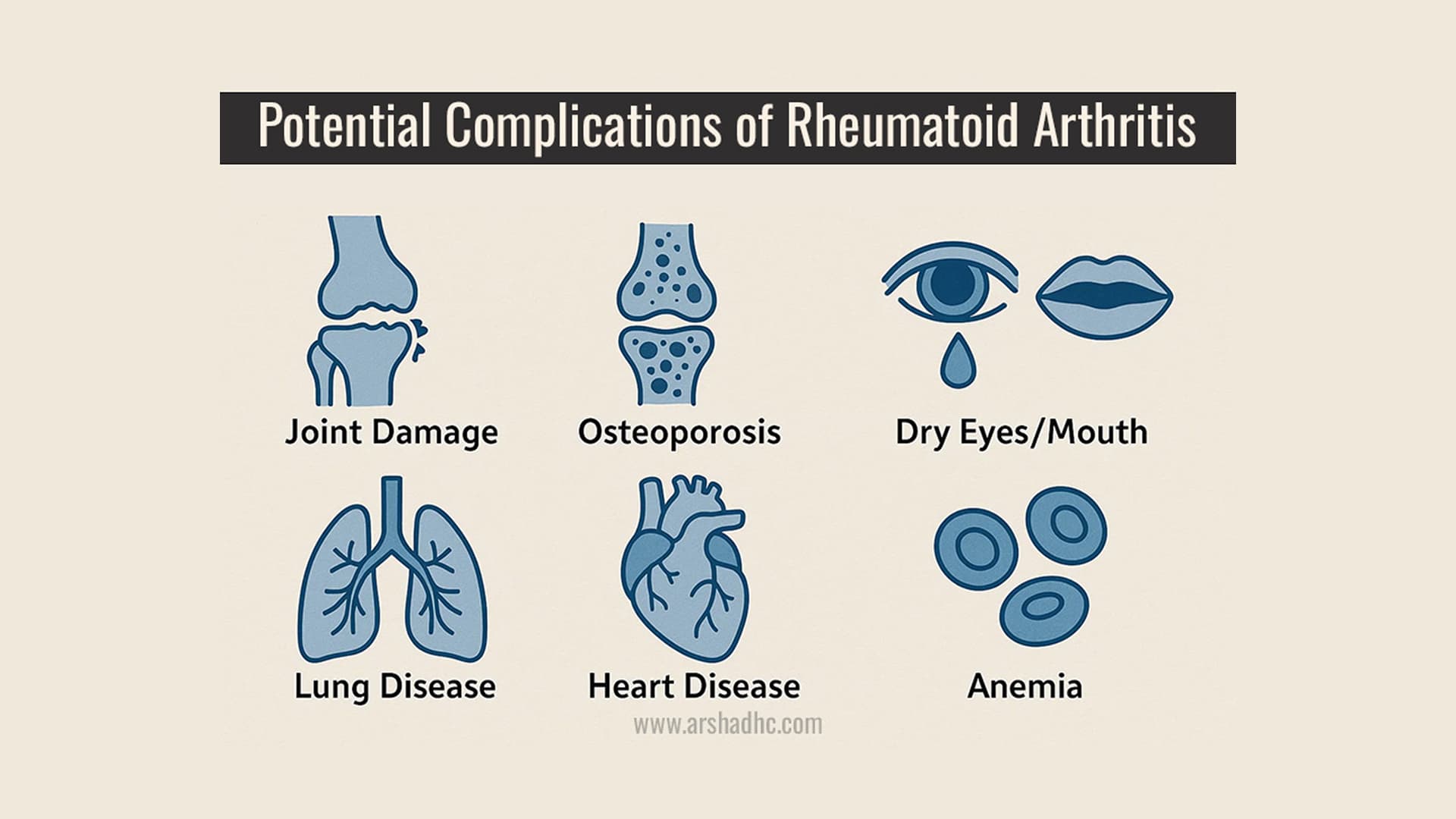
Homeopathic support for arthritis
People searching for homeopathic arthritis treatment, natural joint-pain relief or individualised support often want a gentle approach. Arthritis still requires proper medical diagnosis, especially when inflammatory or autoimmune disease may be present.
At Arshad Homeopathic Clinic we take a detailed case history and select individualised remedies to support joint comfort, reduce stiffness, improve mobility and promote overall wellbeing. Always tell your clinicians about remedies and supplements you use. Do not delay rheumatology assessment, treatment for a hot swollen joint or prescribed disease-modifying therapy.
Frequently asked questions about arthritis
What is arthritis?
Arthritis is an umbrella term for conditions that affect joints and surrounding tissues. It can cause pain, stiffness, swelling and reduced movement.
What are the main types of arthritis?
Osteoarthritis and rheumatoid arthritis are common types. Gout, psoriatic arthritis, ankylosing spondylitis and juvenile arthritis are other examples.
What is the difference between osteoarthritis and rheumatoid arthritis?
Osteoarthritis is commonly associated with joint changes and activity-related pain. Rheumatoid arthritis is an autoimmune inflammatory disease that often affects joints on both sides of the body and needs early specialist treatment.
What are common arthritis symptoms?
Symptoms may include joint pain, stiffness, swelling, warmth, tenderness, reduced movement, fatigue and difficulty with daily activities. The pattern helps guide diagnosis.
What causes arthritis?
Causes differ by type. Age, previous injury, genetics, immune-system activity, metabolic factors and infections can play a role depending on the condition.
Can arthritis be cured permanently?
Many forms of arthritis are long-term conditions. Treatment can reduce pain, maintain function, control inflammation and, for inflammatory arthritis, help prevent joint damage. Individualised homeopathic care can support comfort and overall wellbeing alongside medical management.
How is arthritis diagnosed?
A clinician considers symptoms, examination, medical history and sometimes blood tests, X-rays, ultrasound or other scans. The diagnosis cannot be made reliably from symptoms alone.
What is the best treatment for arthritis?
Treatment depends on the type of arthritis, joints involved and severity. It may include therapeutic exercise, weight management when appropriate, medicines, physiotherapy, injections, individualised homeopathic support.
Can exercise help arthritis?
Yes. Suitable exercise can support strength, mobility and daily function. A clinician or physiotherapist can help choose exercises that are safe for your condition.
Should I rest during an arthritis flare?
Briefly modifying activity may help, but prolonged inactivity can worsen stiffness and weakness. Ask your clinician for a plan tailored to the type of arthritis and flare severity.
What foods are good for arthritis?
There is no single arthritis cure diet. A balanced eating pattern that supports overall health and weight management where appropriate may help, while specific dietary advice depends on the condition.
Can weight loss help knee arthritis?
For people for whom weight loss is appropriate, gradual and sustainable weight management can reduce load on weight-bearing joints and support general health.
Does cold weather cause arthritis?
Weather may influence how some people experience symptoms, but it is not considered a cause of arthritis.
Can arthritis affect young people?
Yes. Arthritis can occur at any age, including childhood. Persistent joint pain or swelling in a child needs medical assessment.
What is a rheumatoid arthritis flare?
A flare is a worsening of inflammatory symptoms such as joint swelling, pain, stiffness or fatigue. Contact your rheumatology team if symptoms change or become difficult to manage.
When is a swollen joint an emergency?
A hot, red, very painful swollen joint with fever or feeling unwell can indicate infection and needs urgent medical assessment.
When should I see a rheumatologist?
Rapid specialist referral may be appropriate for persistent joint swelling, suspected inflammatory arthritis, prolonged morning stiffness or symptoms affecting several joints.
Can arthritis lead to joint replacement?
Some people with severe joint damage and significant functional limitation may consider joint replacement after a specialist assessment. It is not needed for everyone.
Can homeopathy help with arthritis?
Homeopathic care may be considered for people experiencing aching joints, morning stiffness, swelling or difficulty with movement. At Arshad Homeopathic Clinic, each case is assessed individually to find an approach suited to the patient's particular symptoms.
Are homeopathic medicines safe for arthritis?
Homeopathic remedies are highly diluted and are generally regarded as gentle when used appropriately. Anyone taking conventional arthritis medicines should discuss any complementary treatment with their healthcare professional.
Which homeopathic medicines are commonly used for arthritis?
The remedy depends on how the joint problem presents, including what makes the pain better or worse. Homeopathic practitioners may consider options such as Rhus tox, Bryonia, Arnica, Ruta or Apis based on the individual's symptom pattern.
Can homeopathy cure arthritis?
People often seek homeopathic care to manage recurring joint discomfort and stiffness in a personalised way. At Arshad Homeopathic Clinic, treatment is based on the patient's complete symptoms rather than applying one remedy to every arthritis case.
Can homeopathy be used alongside arthritis treatment?
Yes. Homeopathy is often used as a complementary approach alongside physiotherapy, exercise and prescribed medicines. Always keep your doctor informed about all remedies and supplements, and never stop prescribed treatment without medical advice.
Discuss Your Arthritis Concerns with Arshad Homeopathic Clinic
At Arshad Homeopathic Clinic, we offer personalised homeopathic care for individuals dealing with arthritis-related joint pain, stiffness, swelling and restricted movement. During the consultation, we explore which joints are affected, when the discomfort occurs, what influences the symptoms, and how the condition affects everyday activities. This comprehensive understanding allows us to choose a remedy that corresponds closely with the patient's individual symptom pattern. Our approach aims to support joint comfort, easier movement and improved quality of daily life.
Medical information notice: This page provides general information, not a diagnosis or individual medical advice. Arthritis-like symptoms can be caused by inflammatory, infectious, traumatic and metabolic conditions.