What is inflammatory bowel disease (IBD)?
Inflammatory bowel disease (IBD) describes chronic conditions that cause inflammation in the digestive tract. The two main types are Crohn’s disease and ulcerative colitis. IBD can affect people of different ages and its symptoms may come and go, with periods of active disease (flares) and remission.
IBD is not the same as irritable bowel syndrome (IBS). IBS can be painful and disruptive, but it does not cause the bowel inflammation, ulcers, narrowing or complications that IBD can cause. Persistent symptoms should be assessed rather than assumed to be IBS.
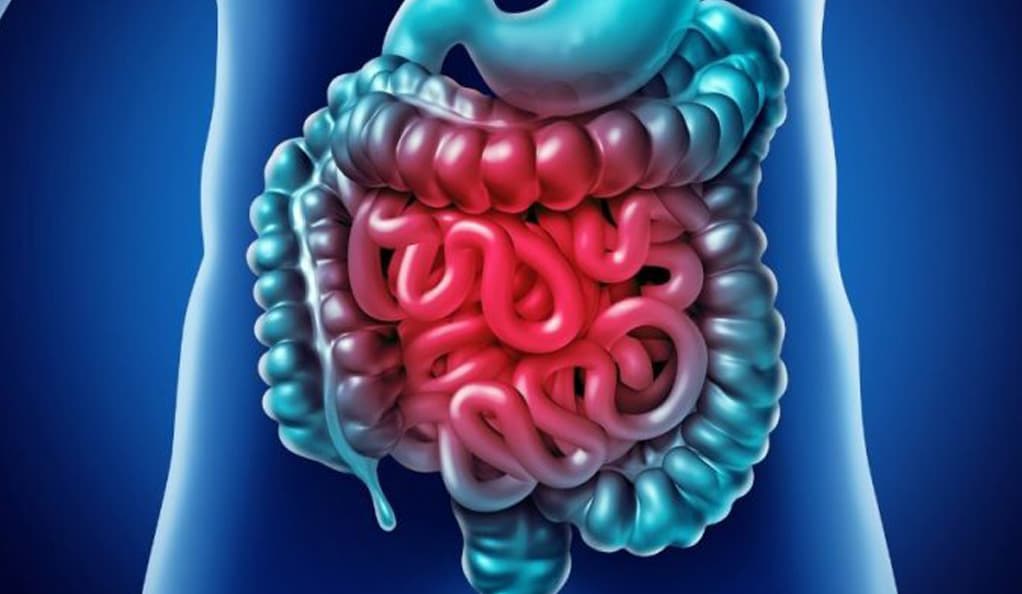
IBD symptoms: when digestive symptoms need attention
Symptoms vary with the type and location of inflammation. They may develop gradually or begin more suddenly. Common IBD symptoms include:
Bowel symptoms
- Persistent or recurrent diarrhoea
- Blood, mucus or urgency with stool
- Abdominal pain and cramping
- Feeling unable to delay a bowel movement
- Constipation or a blockage-like feeling in some Crohn’s disease cases
Whole-body symptoms
- Fatigue and low energy
- Reduced appetite or unplanned weight loss
- Fever during active inflammation
- Joint pain, eye symptoms or skin changes
- Anaemia or nutrition deficiencies
Blood in stool, ongoing diarrhoea, significant weight loss and persistent pain should never be dismissed as ordinary indigestion. They need assessment by a qualified medical professional.
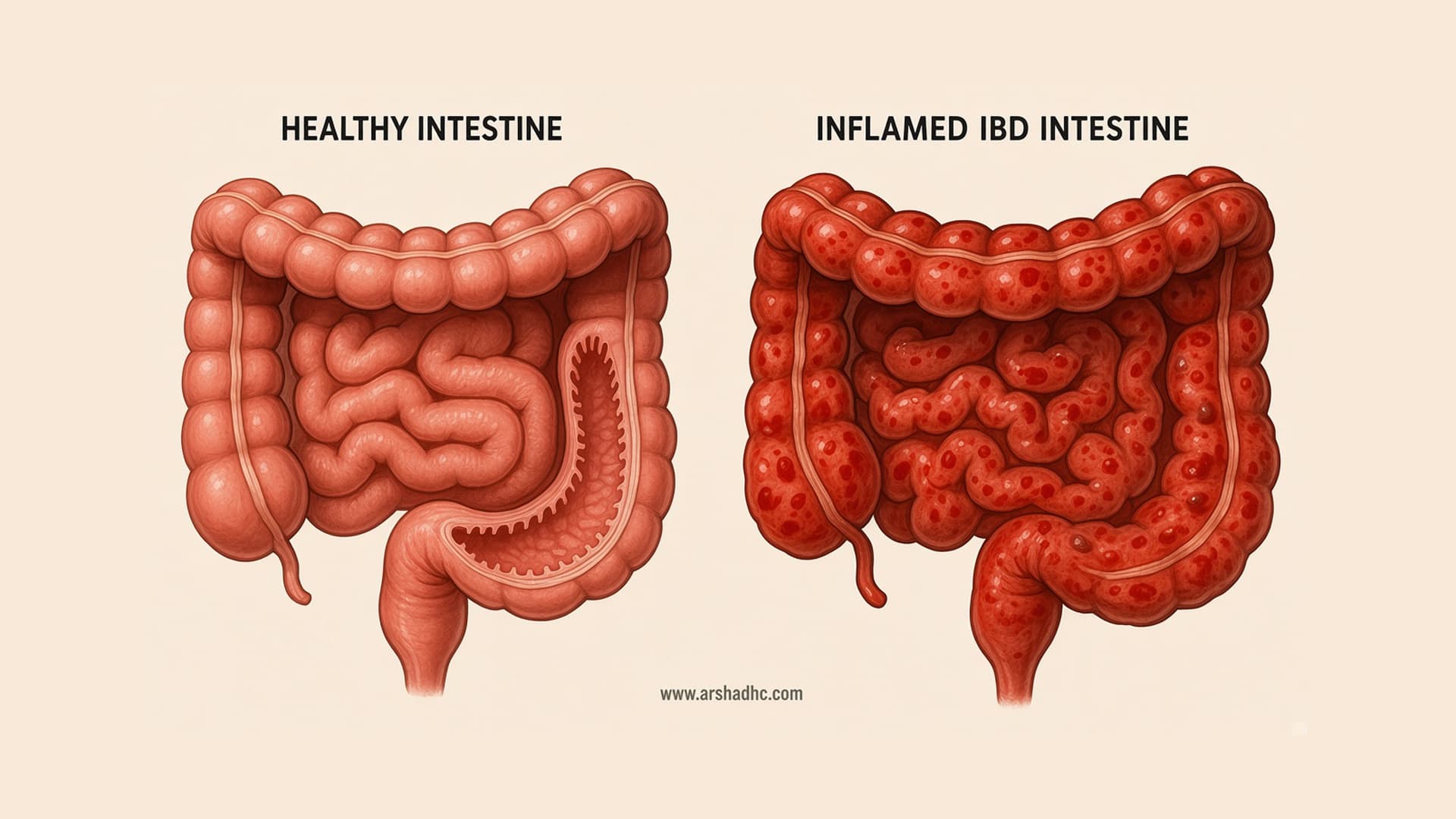
Crohn’s disease vs ulcerative colitis
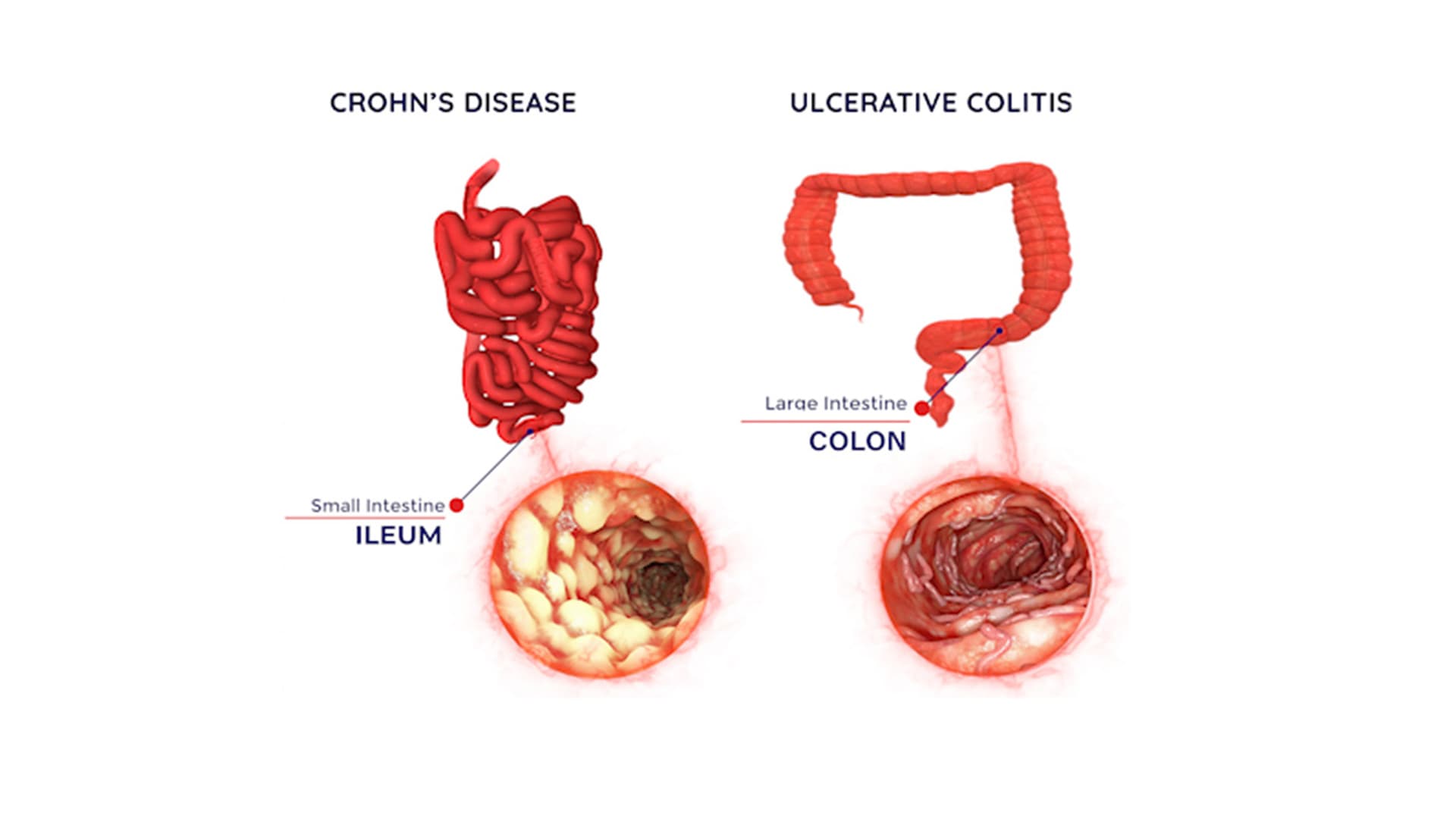
Ulcerative colitis
Ulcerative colitis affects the colon and rectum. Inflammation typically begins in the rectum and extends continuously through part or all of the large bowel. Bloody diarrhoea and urgency are common.
Crohn’s disease
Crohn’s disease can affect any part of the digestive tract, from mouth to anus, often involving the small bowel or colon. Inflammation may occur in patches and can extend deeper into the bowel wall.
IBD-unclassified
Sometimes tests cannot initially distinguish Crohn’s disease from ulcerative colitis. A specialist may use the term IBD-unclassified while monitoring and gathering more information.
What causes IBD?
IBD is complex. It is not caused by a weak personality, a single food or stress alone. Research suggests that immune-system activity, genetic susceptibility, the gut microbiome and environmental exposures interact in ways that are still being studied.
- Family history: relatives may share a higher risk, though most family members do not develop IBD.
- Immune dysregulation: immune activity in the gut contributes to ongoing inflammation.
- Smoking: it is linked with worse Crohn’s disease outcomes; seek stop-smoking support if relevant.
- Stress and sleep: they do not cause IBD, but can affect symptoms, fatigue and the ability to cope during a flare.
IBD diagnosis and tests
There is no single blood test that confirms every case of IBD. A gastroenterology team usually combines your history and examination with blood tests, stool tests, endoscopy or colonoscopy, biopsies and sometimes imaging such as MRI or CT. These tests can identify inflammation, rule out other causes and show where disease is located.
When to seek urgent medical help
Get urgent help for heavy rectal bleeding, severe or rapidly worsening abdominal pain, high fever, fainting, severe dehydration, repeated vomiting, a swollen abdomen, or inability to pass stool or gas. Contact your physician promptly for a suspected flare rather than self-treating.
Regular monitoring is part of IBD care. Depending on your situation, it may include inflammation markers, blood counts, nutrition checks, scans, endoscopy and surveillance colonoscopy.
IBD treatment: a combined approach for lasting relief
IBD management works best when specialist medical care and individualised homeopathic treatment support each other. At Arshad Homeopathic Clinic we focus on the complete person—symptoms, energy, digestion, sleep and constitution—while patients continue under gastroenterology supervision. The goals are to improve comfort, support remission, reduce flare intensity and protect long-term quality of life.
Homeopathic and holistic support
- Individualised homeopathic remedies matched to the full symptom picture
- Support for energy, digestion, sleep and emotional wellbeing
- Guidance on diet and lifestyle that fits the patient’s constitution
- Ongoing case review as symptoms change
- Gentle, well-tolerated medicines selected by a qualified physician
Medical and specialist care
- Gastroenterologist-led monitoring of inflammation and disease activity
- Blood and stool tests when clinically required
- Nutrition assessment and correction of deficiencies
- Medicines or surgery when a specialist advises they are necessary
- Coordinated care so homeopathy and medical treatment work together
Homeopathy is used alongside—not instead of—specialist IBD care. Never stop prescribed Crohn’s disease or ulcerative colitis medicines without advice from your gastroenterologist. A combined plan gives the best chance of comfort, stability and long-term wellbeing.
IBD diet: food, nutrition and flare-ups
There is no universal IBD diet and no food plan proven to replace medical treatment. Food can affect symptoms, but it does not mean food caused your IBD. During active disease, strictures, recovery from surgery or periods of weight loss, needs can differ significantly—this is why dietitian support is valuable.
Helpful questions for your care team
- Am I getting enough calories, protein, iron, vitamin B12, vitamin D and calcium?
- Could a food diary identify symptom triggers without unnecessary elimination?
- Do I need a modified-fibre plan because of narrowing, diarrhoea or a flare?
- Should I see an IBD dietitian before trying a restrictive diet or supplement?
Regular meals, hydration and foods you tolerate can be a sensible foundation. Avoiding many foods without guidance can make malnutrition, fatigue and anxiety around eating worse.
Homeopathic support for IBD
People often search for homeopathic treatment for IBD, natural Crohn’s disease treatment, ulcerative colitis homeopathy or an IBD specialist in Pakistan. It is understandable to want gentler options and more time to discuss the impact of a chronic condition. IBD causes real inflammation and requires proper monitoring and specialist medical care.
At Arshad Homeopathic Clinic we offer individualised homeopathic treatment as a complementary approach. A detailed case history explores the complete symptom picture, energy levels, sleep, stress response, digestive patterns and overall constitution. The selected remedy aims to support the body’s own regulatory processes and help improve quality of life while the patient continues under gastroenterology care.
Always bring a complete list of prescription medicines, over-the-counter products, herbs and supplements to every medical appointment. Do not delay tests, stop an IBD medicine or self-treat rectal bleeding, fever, weight loss or severe pain.
Frequently asked questions about IBD
What is inflammatory bowel disease (IBD)?
IBD is a group of chronic conditions in which the digestive tract becomes inflamed. The two main forms are Crohn’s disease and ulcerative colitis.
Is IBD the same as IBS?
No. IBD causes inflammation and can damage the bowel; IBS is a disorder of gut-brain interaction that does not cause that inflammation. Both can cause pain and bowel changes, so proper assessment is important.
What are the first signs of IBD?
Possible signs include persistent diarrhoea, blood or mucus in stool, abdominal pain, urgency, tiredness, reduced appetite and unexplained weight loss. These symptoms need medical assessment.
What causes Crohn’s disease and ulcerative colitis?
There is no single cause. IBD is thought to involve immune-system, genetic and environmental factors. It is not caused by stress alone or by a person doing something wrong.
How is IBD diagnosed?
Diagnosis usually involves a medical history, examination, blood and stool tests, and often endoscopy or colonoscopy with biopsies. Imaging may also be needed, especially for Crohn’s disease.
Can IBD be cured permanently?
Effective medical treatment aims to control inflammation, achieve remission, prevent complications and protect quality of life. Individualised homeopathic care can also support overall wellbeing as part of a broader plan.
Can homeopathy treat IBD?
Homeopathic treatment offer personalised support for people experiencing IBD-related digestive symptoms and reduced wellbeing. At Arshad Homeopathic Clinic, remedies are selected according to the individual's symptoms, constitution and overall health while appropriate medical monitoring continues.
Are homeopathic medicines safe for IBD?
When prescribed by a qualified homeopathic practitioner, remedies are generally gentle and highly diluted. Patients should continue prescribed IBD treatment and consult their specialist before making changes to conventional medication.
Which homeopathic medicines are used for IBD?
Remedies such as Mercurius corrosivus, Arsenicum album, Phosphorus, Nux vomica, Lycopodium and Sulphur may be considered according to the patient's individual symptoms. The appropriate remedy and potency vary from case to case and require professional assessment.
What is the best treatment for IBD?
IBD treatment depends on its type, severity and extent, with medical management remaining important for controlling intestinal inflammation. Individualised homeopathic care may provide complementary support for digestive comfort, energy and overall wellbeing.
Can homeopathy cure IBD?
Homeopathy is used to support people dealing with ongoing IBD symptoms and their overall wellbeing. At Arshad Homeopathic Clinic, treatment is tailored to the individual's complete symptom picture while appropriate specialist care continues.
Can homeopathy be used alongside IBD treatment?
Homeopathic treatment may be incorporated alongside conventional IBD management as complementary support for individual symptoms and general wellbeing. Always inform your treating physician about any homeopathic remedies you are using to ensure coordinated care.
What is the difference between Crohn’s disease and ulcerative colitis?
Ulcerative colitis affects the colon and rectum. Crohn’s disease can affect any part of the digestive tract and may involve deeper layers of the bowel wall.
Does IBD cause blood in stool?
Blood in stool can occur with IBD, especially ulcerative colitis, but it can have other causes. New or ongoing rectal bleeding requires medical assessment.
Can IBD cause joint pain, skin problems or eye inflammation?
Yes. IBD can have effects outside the bowel, including joint, skin, eye or liver-related problems. Report new symptoms to your specialist team.
What foods should I avoid with IBD?
There is no one diet for everyone with IBD. Food choices may change during a flare, with strictures or after surgery. A dietitian can help prevent unnecessary restrictions and nutrition problems.
Can stress make IBD worse?
Stress can make symptoms and coping more difficult, but it is not the cause of IBD. Stress support is useful alongside—not instead of—medical treatment.
What is an IBD flare-up?
A flare is a return or worsening of inflammatory symptoms. It can include more diarrhoea, pain, bleeding, urgency, fatigue or fever. Contact your physician promptly rather than changing treatment yourself.
When is IBD an emergency?
Seek urgent care for severe abdominal pain, heavy bleeding, a high fever, severe dehydration, a swollen abdomen, repeated vomiting, fainting or inability to pass stool or gas.
Can IBD lead to bowel cancer?
Some people with long-standing colonic IBD have an increased colorectal-cancer risk.
Can people with IBD have a normal life?
Many people study, work, travel and have families while living with IBD. Ongoing medical care, symptom monitoring, practical support and, for some, complementary homeopathic care can make a major difference.
Can IBD affect pregnancy?
Pregnancy planning should be discussed with an IBD specialist. Keeping disease well controlled before and during pregnancy is important, and medication decisions require individual medical advice.
Should I stop my IBD medication when I feel better?
No. Do not stop, reduce or replace prescribed treatment without advice from your gastroenterology team. Symptoms can improve while inflammation remains active.
What tests monitor IBD?
Monitoring may include symptoms, blood tests, stool markers such as faecal calprotectin, endoscopy, scans and nutrition checks. Your doctor will decide what is appropriate.
Is turmeric or a herbal remedy safe for IBD?
Natural does not always mean safe or effective. Supplements and herbs can interact with medicines or delay effective treatment, so discuss them with your doctor or pharmacist first.
Can diet alone treat IBD?
Diet is important for nutrition and symptom management, but diet alone should not be used in place of medical treatment for active IBD unless a specialist has designed a specific nutrition plan.
What can Arshad Homeopathic Clinic offer people with IBD?
The clinic offers a detailed homeopathic consultation focused on the whole person—symptoms, energy levels, stress, sleep and constitution. Individualised remedies are selected to support overall wellbeing. Anyone with suspected or confirmed IBD should remain under specialist medical supervision.
How can I know which homeopathic clinic is best for IBD?
Look for experience, patient volume, transparent results and genuine reviews. Arshad Homeopathic Clinic has been serving patients since 2006, has treated more than 20,000 patients overall, maintains a 95%+ success rate in suitable cases, and holds 60+ positive Google reviews.
Talk to Arshad Homeopathic Clinic about IBD Treatment
At Arshad Homeopathic Clinic, we offer personalised homeopathic care for individuals living with IBD and persistent digestive concerns. Every case is assessed in detail, including bowel patterns, abdominal symptoms, appetite, food sensitivities, energy levels and other accompanying complaints. Based on this complete picture, a suitable homeopathic remedy is selected for the individual. Our aim is to provide gentle, personalised support for digestive comfort and day-to-day wellbeing. Book a consultation to discuss your symptoms and receive a treatment approach tailored specifically to your case.
Medical information notice: This page provides general information, not medical diagnosis or treatment. IBD requires assessment and ongoing monitoring by an appropriately qualified medical team.