What are kidney stones?
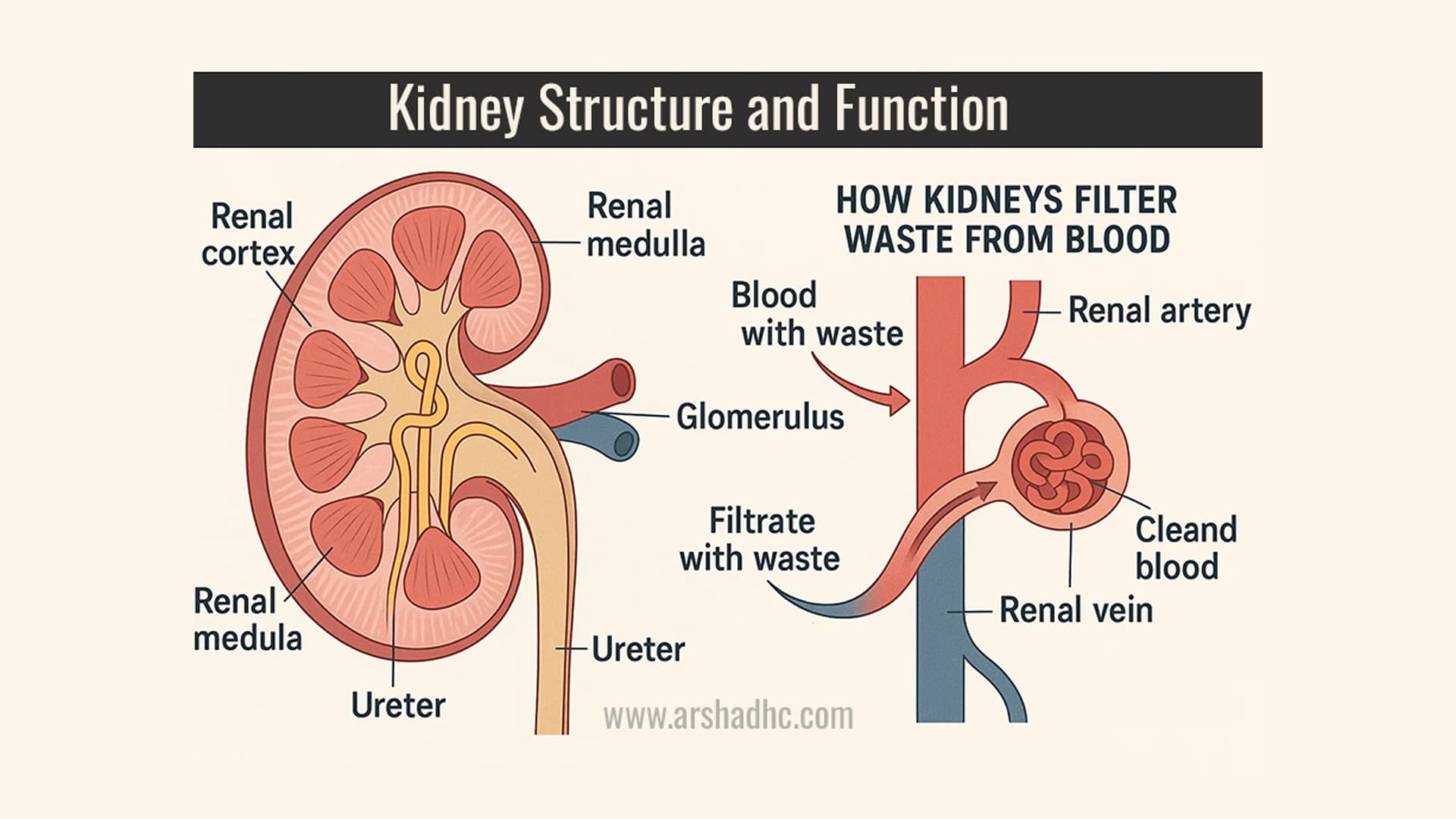
Kidney stones are hard collections of minerals and salts that form in the kidney or urinary tract. They can be smaller than a grain of sand or large enough to block the flow of urine. Some stones pass without symptoms; others cause severe pain called renal colic.
A suspected stone should be assessed because treatment depends on its size, location, whether it is causing obstruction and whether infection is present. A blocked infected kidney can become an emergency.
Kidney stone symptoms
Typical symptoms
- Severe cramping pain in the back or side
- Pain travelling to the lower abdomen or groin
- Blood in urine (pink, red or brown urine)
- Nausea or vomiting
- Burning, urgency or frequency when passing urine
Possible infection or blockage signs
- Fever, chills or feeling shivery
- Cloudy or foul-smelling urine
- Difficulty passing urine or very little urine
- Pain that is not controlled by prescribed medicine
- Feeling weak or very unwell
What causes kidney stones?
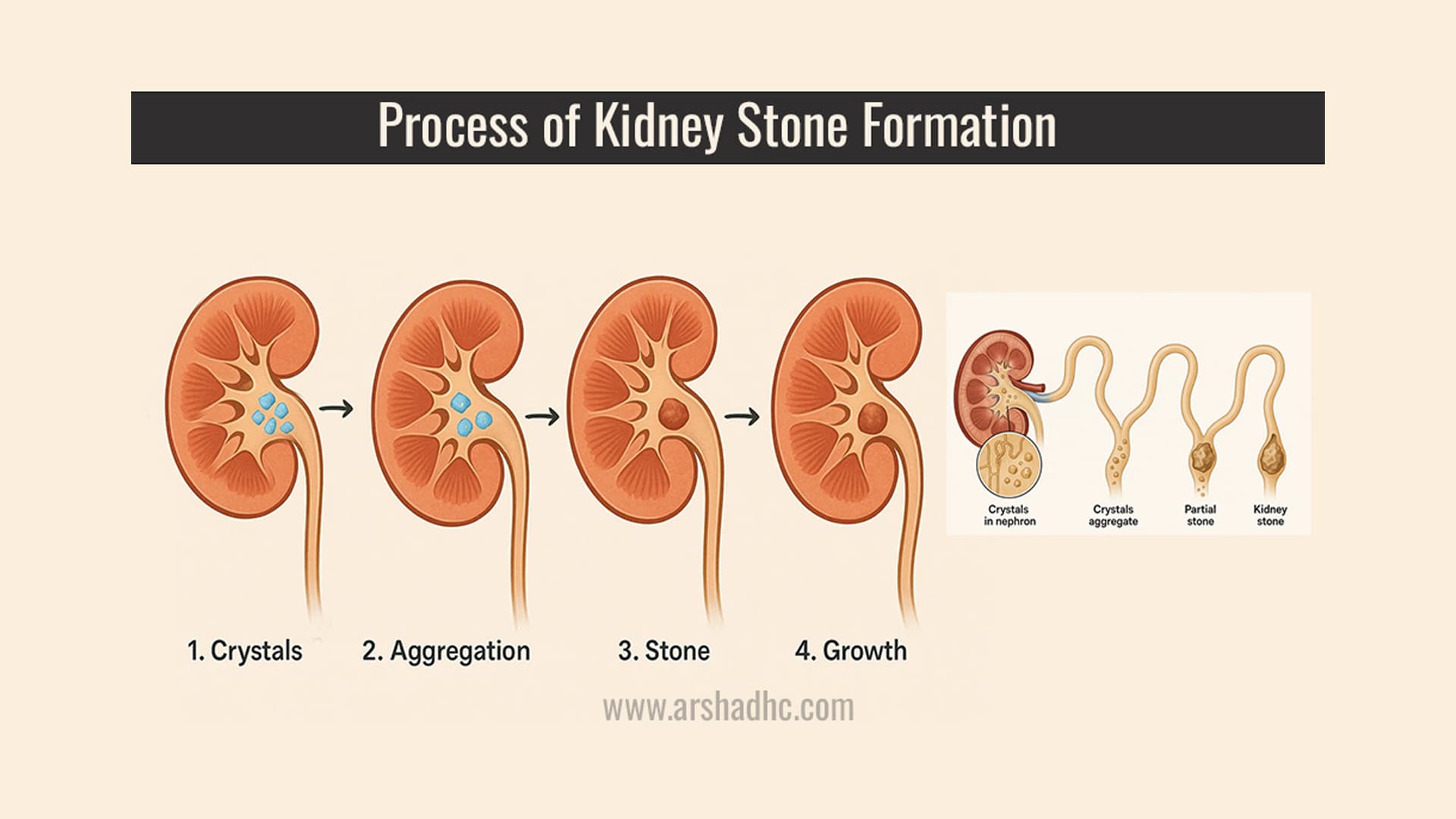
Stones form when minerals in urine become concentrated and crystallise. The cause is often a combination of factors:
- Not drinking enough fluid or frequent dehydration
- High salt intake or dietary patterns relevant to the stone type
- High levels of calcium, oxalate, uric acid or other substances in urine
- Urinary infections, some medicines or certain medical conditions
- Family history or previous kidney stones
Not all stones are alike. If you pass a stone, a clinician may suggest analysis; recurrent stone formers may benefit from urine and metabolic assessment.
Kidney stone diagnosis and tests
A clinician may check urine for blood and infection, order blood tests for kidney function and review symptoms. Imaging such as ultrasound or a non-contrast CT scan can show the stone’s size and location and whether urine flow is blocked.
Do not assume flank pain is always a kidney stone. Appendicitis, gallbladder problems, infection, gynaecological conditions and other causes can produce similar pain.
Kidney stone treatment
The best kidney stone treatment depends on size, position, pain severity, infection, blockage and kidney function. Many small stones can be managed with medical guidance while they pass; larger stones or stones causing complications may need a urology procedure. Individualised homeopathic treatment provide valuable support for comfort during this process.
For selected small stones
- Clinician-directed pain and anti-sickness treatment
- Appropriate fluid intake
- Medicines that may support stone passage
- Follow-up imaging or review as advised
- Supportive Homeopathic Treatment
Procedures a urologist may discuss
- Shock-wave lithotripsy to break selected stones
- Ureteroscopy and laser treatment
- Percutaneous nephrolithotomy for some large kidney stones
- Urgent drainage when infection and obstruction coexist
Kidney stone prevention
Prevention is most effective when tailored to the type of stone. Hydration is a common foundation, but dietary restrictions should not be guessed—unnecessary restriction can be harmful or ineffective.
- Drink enough fluid to keep urine pale, unless a clinician has advised fluid restriction.
- Reduce excess salt and avoid relying on sugary fizzy drinks for hydration.
- Maintain a balanced diet; do not eliminate calcium without medical or dietitian advice.
- Ask about stone analysis and metabolic testing after recurrent stones.
- Take any preventive medicine only as prescribed.
Kidney stone emergency red flags
Seek urgent medical care for fever or chills, uncontrolled severe pain, inability to pass urine, persistent vomiting or dehydration, confusion, fainting, pregnancy with significant pain, or feeling severely unwell. These can indicate an infected or blocked urinary system.
Do not delay urgent care with home remedies, supplements or unverified “stone-dissolving” treatments.
Homeopathic Treatment for Kidney Stones
Homeopathy is widely used as a natural approach for people seeking homeopathic kidney stone treatment. Many patients report remarkable results with individualized homeopathic treatment, particularly when the treatment is selected according to the person’s symptoms, stone-related discomfort and overall health.
At Arshad Homeopathic Clinic, we take a detailed case history to understand each patient's symptoms and individual needs before selecting an appropriate homeopathic remedy. Our approach focuses on personalized care and supporting the body's natural healing process while addressing the symptoms associated with kidney stones.
For persistent or severe pain, fever, vomiting, difficulty passing urine, blood in the urine or suspected blockage, proper medical assessment is important. Kidney stones may sometimes require imaging, pain management, medication or urological treatment depending on their size and location.
Frequently asked questions about kidney stones
What are kidney stones?
Kidney stones are hard deposits of minerals and salts that form in the kidneys or urinary tract. They can be tiny or large enough to block urine flow.
What do kidney stones feel like?
They can cause severe cramping pain in the side or back that may travel to the lower abdomen or groin, blood in urine, nausea, vomiting or urinary symptoms.
What causes kidney stones?
Stones form when urine becomes concentrated or contains high levels of stone-forming substances. Low fluid intake, dietary factors, infections, medicines and some medical conditions can contribute.
Can kidney stones pass on their own?
Many small stones pass in urine without a procedure, but the chance depends on their size and location. A clinician should advise on monitoring and pain control.
How are kidney stones diagnosed?
Tests may include urine and blood tests, ultrasound, X-ray or CT scanning. These help confirm the size, location and any effect on kidney function or infection.
What is the best treatment for kidney stones?
Treatment depends on stone size, location, pain, infection and blockage. Options can include pain relief, medicines to help passage, shock-wave treatment, ureteroscopy or other procedures. Many patients also benefit from homeopathic treatment for comfort and safe recovery.
When is a kidney stone an emergency?
Seek urgent medical care for fever or chills, uncontrolled pain, inability to pass urine, vomiting with dehydration, feeling very unwell, or a stone with possible infection.
Can a kidney stone cause blood in urine?
Yes. A stone can irritate the urinary tract and cause visible or microscopic blood in urine. Blood in urine should always be assessed by a clinician.
How long does it take to pass a kidney stone?
It varies with stone size and position. Some small stones pass within days or weeks; larger or obstructing stones may need a procedure.
What is renal colic?
Renal colic is severe, wave-like pain caused when a stone moves through or blocks the ureter, the tube carrying urine from kidney to bladder.
What is shock-wave lithotripsy?
Shock-wave lithotripsy uses focused shock waves to break selected stones into smaller fragments that can pass in urine.
Can kidney stones damage the kidneys?
A blocked kidney, especially with infection, can damage kidney function and needs prompt assessment. Most stones treated appropriately do not cause lasting damage.
How can I prevent kidney stones?
Prevention depends on stone type, but adequate fluid intake, lower salt intake and tailored dietary advice are common recommendations. Recurrent stone formers may need metabolic testing.
Should I stop eating calcium to prevent stones?
Do not restrict calcium without medical or dietitian advice. The right dietary plan depends on your stone type and overall health.
Does lemon water help kidney stones?
Citrus drinks may be discussed in prevention plans for some stone types, but they are not a replacement for medical assessment or treatment of an active stone.
Can homeopathy dissolve kidney stones?
Yes. Homeopathy is widely used as a natural approach for people seeking support for kidney stones. At Arshad Homeopathic Clinic, we select individualised remedies according to the patient's stone-related symptoms, pain pattern, urinary complaints and overall constitution. Many patients seek homeopathic care with the aim of supporting the body's natural ability to manage and pass urinary stones while promoting better urinary comfort and wellbeing. Treatment is tailored to each individual rather than relying on a single remedy for everyone.
Can homeopathy be used alongside kidney stone care?
Yes. Homeopathic treatment can be incorporated into an individual's overall kidney-stone care plan.
Can kidney stones come back?
Yes. Recurrence is common for some people. Identifying stone type and risk factors can guide prevention.
Can I exercise with a kidney stone?
Ask your treating clinician. Gentle movement may be possible for some people, but severe pain, fever or dehydration require medical care rather than exercise.
When should I see a urologist?
A urologist may be needed for large, recurrent, obstructing or infected stones, persistent symptoms, reduced kidney function or when a procedure is being considered.
Can kidney stones be treated with homeopathy?
Homeopathy offers an individualised approach based on the patient's pain, urinary symptoms, stone history and overall health. At Arshad Homeopathic Clinic, remedies are selected according to each person's unique symptom pattern.
What can homeopathy do for kidney stone symptoms?
Homeopathic care focuses on the individual's symptoms, such as urinary discomfort, burning, frequent urination or radiating pain. Treatment is tailored to support comfort and overall urinary wellbeing.
Which homeopathic remedies are commonly considered for kidney stones?
Remedies such as Berberis vulgaris, Lycopodium, Sarsaparilla, Cantharis, Hydrangea and Pareira brava may be considered based on the patient's symptoms. The appropriate remedy and potency are determined individually.
Can I use homeopathic medicines without a doctor's recommendation?
It is better to consult a qualified homeopathic practitioner before starting treatment, as the appropriate remedy depends on your individual symptoms and health history. Self-prescribing may lead to choosing an unsuitable remedy or overlooking a condition that requires medical attention.
Can homeopathy help with kidney stone pain?
Homeopathic treatment considers the location, character and triggers of kidney-stone discomfort before selecting a remedy. Arshad Homeopathic Clinic provides personalised care aimed at supporting comfort during stone-related episodes.
How does Arshad Homeopathic Clinic select a remedy for kidney stones?
We assess the patient's pain pattern, urinary complaints, thirst, digestion, previous stone history and general health. This complete picture helps guide the selection of an individually appropriate homeopathic remedy.
Can homeopathy help prevent kidney stones from coming back?
Homeopathic care considers recurring symptoms and the individual's overall health and urinary pattern. Alongside appropriate hydration, dietary measures and medical follow-up, personalised care can support long-term urinary wellbeing.
Discuss Your Kidney Stone Concerns with Arshad Homeopathic Clinic
We provide carefully personalised homeopathic consultations for people experiencing kidney stones, urinary discomfort and related symptoms. Each case is assessed individually, taking into account the nature and location of pain, urinary symptoms, stone history and overall health. Our aim is to provide an individually matched homeopathic approach to support comfort, natural urinary function and overall wellbeing. Arrange a consultation to receive a remedy selected according to your complete symptom picture and constitution.
Medical information notice: This page provides general information, not a diagnosis or individual medical advice. Kidney stone symptoms can overlap with urgent urinary, abdominal and gynaecological conditions.