What is an ovarian cyst?
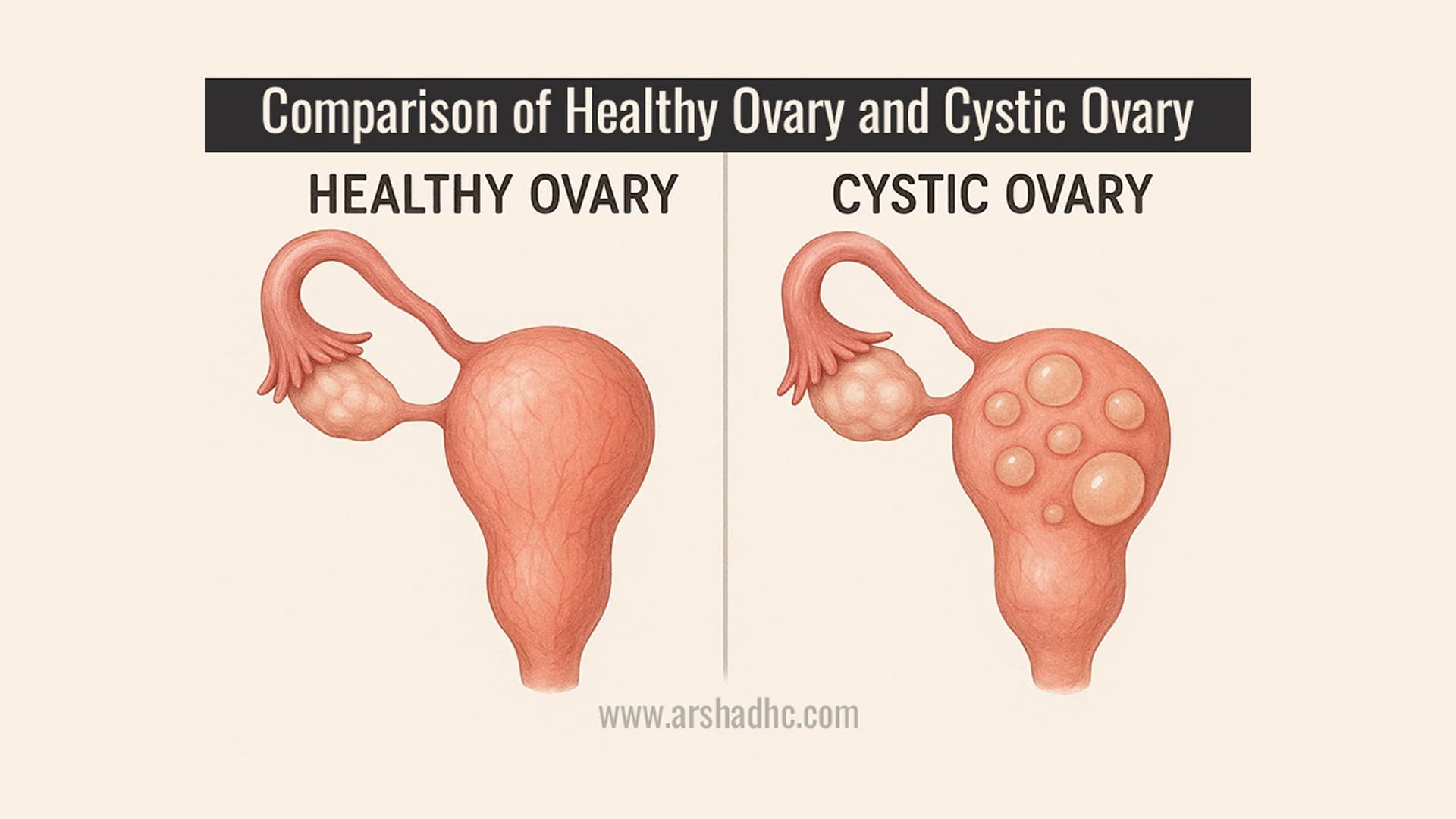
An ovarian cyst is a sac filled with fluid or other tissue that forms in or on an ovary. Ovarian cysts are common, especially during the reproductive years. Many are harmless, cause no symptoms and disappear without treatment.
However, a cyst can sometimes become large, twist the ovary, rupture, bleed or look complex on ultrasound. That is why ongoing pelvic pain, sudden severe pain or a cyst discovered after menopause deserves appropriate medical assessment. Supportive homeopathic care can also help with overall comfort and wellbeing.
Ovarian cyst symptoms
Many people have no symptoms and learn about a cyst during an ultrasound for another reason. When symptoms occur, they may include:
Pelvic and abdominal symptoms
- Dull, heavy or sharp pain on one side of the pelvis
- Pelvic pressure, fullness or bloating
- Pain during sex or certain movements
- Feeling full quickly after eating
- Difficulty emptying the bladder or bowels
Period and urgent symptoms
- Heavier, lighter or irregular periods
- Sudden severe pelvic pain
- Pain with nausea or vomiting
- Dizziness, faintness or weakness
- Fever or rapidly worsening abdominal swelling
Types of ovarian cyst
Functional cysts
These are the most common cysts before menopause. They form as part of the menstrual cycle and often resolve within a few months.
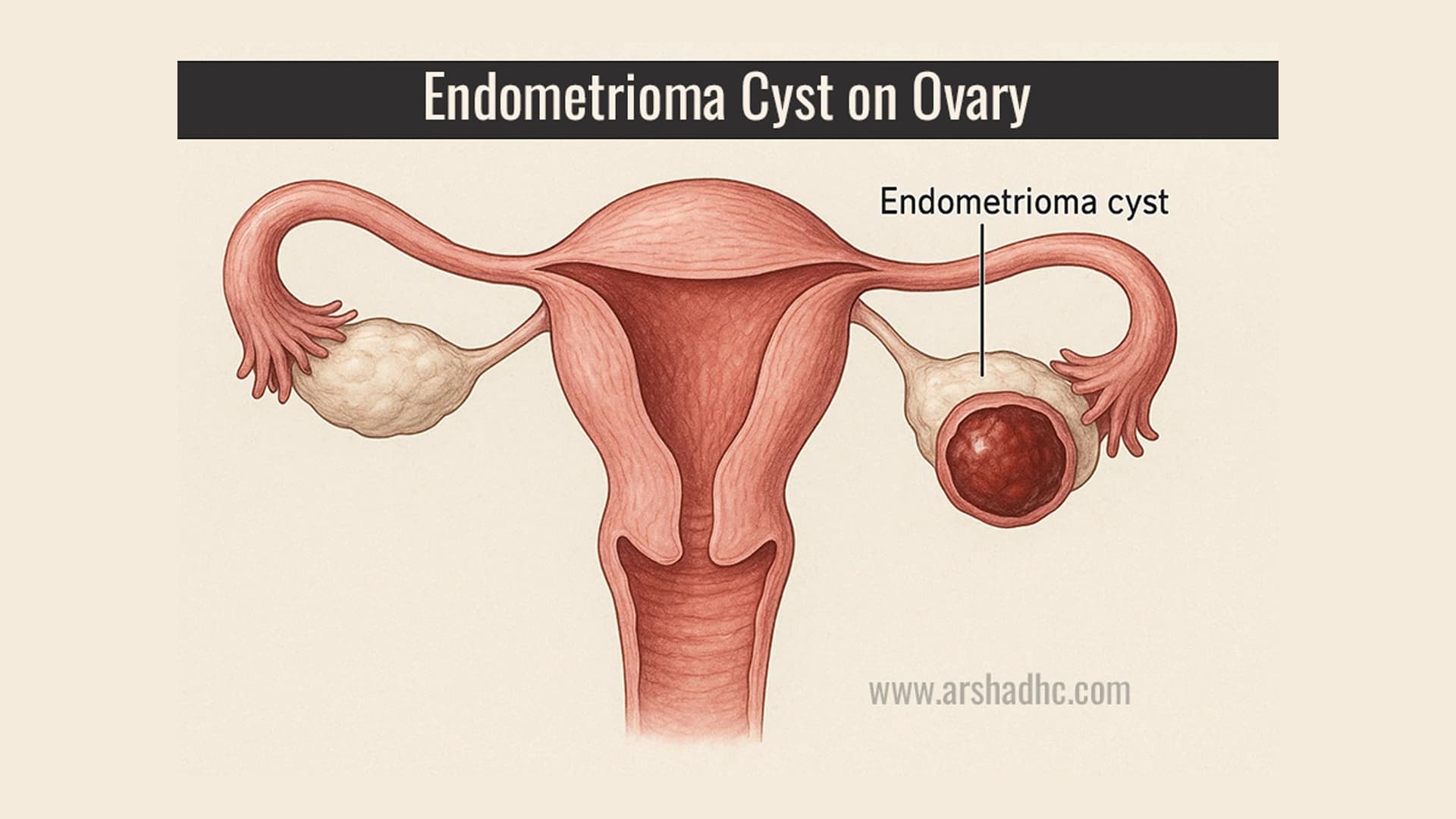
Endometrioma
This cyst is linked to endometriosis. It may require specialist discussion because symptoms, fertility goals and treatment can differ.
Other benign cysts
Dermoids (teratomas) and cystadenomas are examples. They may persist or grow and need ultrasound review and individual management.
How are ovarian cysts diagnosed?
A gynaecology clinician reviews your symptoms, periods, pregnancy possibility, medical history and examination. Pelvic ultrasound is the main way to assess a cyst’s size, location and appearance. Depending on the situation, blood tests or additional imaging may be recommended.
After menopause, or when a cyst appears complex or concerning, the assessment and follow-up plan may be more cautious. An ultrasound finding should be interpreted by a qualified clinician—not by online images or self-diagnosis.
Ovarian cyst treatment: watchful waiting or surgery
Treatment depends on your age, symptoms, whether you are pregnant or postmenopausal, the cyst’s size and appearance, and whether it changes over time. Many simple functional cysts are managed with watchful waiting and repeat ultrasound. Individualised homeopathic treatment can provide valuable support for comfort and hormonal balance during this period.
Monitoring may be suitable when
- The cyst looks simple and benign on ultrasound
- Symptoms are absent or mild
- You are before menopause
- Your clinician recommends a repeat scan
Surgery may be considered when
- A cyst is large, persistent or growing
- Pain or pressure symptoms are significant
- Imaging looks complex or potentially concerning
- Torsion, rupture or another complication is suspected
If surgery is needed, the team will discuss options such as cystectomy (removing the cyst) and how fertility can be preserved where possible.
Ovarian cyst rupture and torsion: urgent symptoms
Seek urgent medical care now for sudden severe pelvic or lower-abdominal pain, pain with vomiting or fever, dizziness or fainting, rapidly worsening swelling, heavy bleeding, or pelvic pain in pregnancy. These can indicate ovarian torsion, cyst rupture, internal bleeding, ectopic pregnancy or another urgent condition.
Do not attempt to manage severe pelvic pain at home with a remedy, supplement or delayed appointment. Urgent evaluation is the safest choice.
Ovarian cyst vs PCOS: what is the difference?
An ovarian cyst is a physical fluid-filled sac. PCOS is a hormonal and metabolic syndrome that can affect ovulation, periods, acne, hair growth and fertility. The names can be confusing: a person may have PCOS without ovarian cysts, and a person with an ovarian cyst does not automatically have PCOS.
Homeopathic Treatment for ovarian cyst
People searching for homeopathic ovarian cyst treatment, natural ovarian cyst remedies or supportive care during monitoring often want a gentle, individualised approach. An ovarian cyst still requires proper ultrasound and gynaecology assessment, especially if it is large, persistent, complex or causing severe symptoms. At Arshad Homeopathic Clinic we take a detailed case history and select individualised remedies to support hormonal balance, reduce discomfort, improve energy levels and promote overall wellbeing. Do not postpone imaging, follow-up scans when it is advised.
Frequently asked questions about ovarian cysts
What is an ovarian cyst?
An ovarian cyst is a fluid-filled sac or pouch that forms in or on an ovary. Many are common, benign and resolve without treatment.
What are ovarian cyst symptoms?
Many cysts cause no symptoms. Larger, ruptured or twisted cysts can cause pelvic pain, bloating, pain during sex, urinary frequency, bowel-pressure symptoms or menstrual changes.
Can an ovarian cyst go away on its own?
Many functional cysts resolve naturally over one or two menstrual cycles. Your clinician may recommend follow-up ultrasound to check whether the cyst is changing. Individualised homeopathic care support overall hormonal balance and wellbeing during monitoring.
What causes ovarian cysts?
Functional cysts can develop as part of the menstrual cycle. Other cysts can be related to endometriosis, pregnancy, benign growths or, less commonly, other conditions.
Is an ovarian cyst the same as PCOS?
No. PCOS is a hormonal and metabolic condition; ovarian cysts are fluid-filled sacs. PCOS can be diagnosed without ovarian cysts, and having a cyst does not mean you have PCOS.
Can ovarian cysts cause infertility?
Most cysts do not prevent pregnancy. Some conditions associated with cysts, such as endometriosis, can affect fertility. Discuss your individual situation with a gynaecology or fertility clinician.
How is an ovarian cyst diagnosed?
Diagnosis usually involves a symptom history, pelvic examination and ultrasound. Blood tests or further imaging may be needed depending on age, ultrasound features and symptoms.
When does an ovarian cyst need surgery?
Surgery may be considered if a cyst is large, persistent, causing significant symptoms, appears complex or concerning on imaging, or has complications such as torsion.
What is ovarian torsion?
Ovarian torsion is twisting of the ovary that can interrupt its blood supply. It can cause sudden severe one-sided pelvic pain, nausea and vomiting and needs emergency assessment.
What happens if an ovarian cyst ruptures?
A rupture can cause sudden pelvic pain and sometimes internal bleeding. Severe pain, dizziness, fainting, vomiting, fever or worsening symptoms need urgent medical care.
Can homeopathy treat ovarian cysts?
Homeopathic care may provide personalised support for women experiencing ovarian-cyst-related discomfort and menstrual concerns. At Arshad Homeopathic Clinic, remedies are selected according to the individual's symptoms, menstrual pattern and overall health.
Are homeopathic medicines safe for ovarian cysts?
When prescribed by a qualified homeopathic practitioner, remedies are generally gentle and highly diluted. They should not replace recommended ultrasound scans, medical assessment or prescribed treatment.
Which homeopathic medicines are used for ovarian cysts?
Remedies such as Apis mellifica, Colocynthis, Sepia, Pulsatilla, Lachesis and Thuja may be considered according to the patient's individual symptoms. The appropriate remedy and potency are determined through detailed case assessment.
What is the best treatment for ovarian cysts?
The appropriate treatment depends on the cyst's type, size, symptoms and clinical findings. Individualised homeopathic care may offer complementary support for comfort and wellbeing alongside appropriate medical monitoring.
Can homeopathy cure ovarian cysts?
Homeopathic treatment may be used as a complementary approach for women experiencing symptoms associated with ovarian cysts. At Arshad Homeopathic Clinic, care is tailored to the individual's complete symptom picture while necessary medical follow-up continues.
Can homeopathy be used alongside ovarian cyst care?
Yes. Homeopathy is often used as a complementary approach alongside gynaecology care. Always tell your gynaecology team about any remedies or supplements you are taking, and never delay recommended investigations, follow-up scans or treatment.
Are ovarian cysts cancer?
Most ovarian cysts are benign. The chance of cancer depends on factors including age, menopausal status, symptoms and ultrasound appearance, so appropriate assessment matters.
Are ovarian cysts common after menopause?
Cysts can occur after menopause but need careful assessment because the approach and level of concern may differ from before menopause.
Can ovarian cysts cause irregular periods?
Some cysts can be associated with menstrual changes, but irregular periods have many possible causes. A clinician can help identify the cause.
Can I exercise with an ovarian cyst?
Ask your clinician for guidance if a cyst is large, painful or being monitored. Stop and seek medical advice for sudden pain, dizziness or nausea.
What type of ovarian cyst is most common?
Functional cysts are the most common type before menopause. They develop as part of ovulation and often resolve without treatment.
What is an endometrioma?
An endometrioma is an ovarian cyst related to endometriosis. It needs assessment by a clinician familiar with endometriosis and fertility considerations.
Can stress cause ovarian cysts?
Stress is not a proven direct cause of ovarian cysts. It can affect wellbeing and menstrual patterns, but new pelvic symptoms still need medical evaluation.
When should I see a doctor urgently?
Seek urgent care for sudden severe pelvic pain, pain with vomiting or fever, dizziness, fainting, rapid abdominal swelling, or pain and bleeding in pregnancy.
Discuss Your Health issues with Arshad Homeopathic Clinic
We provide carefully personalised homeopathic consultations aimed at supporting hormonal harmony, menstrual comfort and overall vitality. When an ovarian cyst has already been diagnosed and is being monitored, individualised homeopathic treatment can help ease associated discomfort, promote natural balance and improve day-to-day wellbeing. Arrange a consultation to receive a precisely matched remedy based on your complete symptom picture and constitution.
Medical information notice: This page gives general information, not a diagnosis or personalised medical advice. Pelvic pain and ovarian cysts can have urgent causes.