What are piles (hemorrhoids)?
Piles—also called hemorrhoids or haemorrhoids—are swollen blood-vessel cushions inside or around the anus. They are common and may cause bright-red bleeding, itching, discomfort, mucus or a lump.
Although piles are a frequent cause of rectal symptoms, not every anal lump, pain or bleeding is caused by hemorrhoids. A correct diagnosis matters, particularly if symptoms are new, recurring or severe.
Piles symptoms
Common symptoms
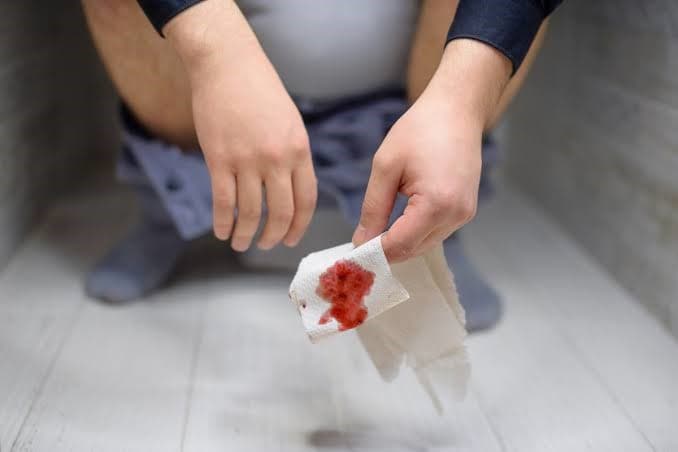
- Bright-red blood after passing stool
- Itching, soreness or irritation around the anus
- Mucus on underwear or toilet paper
- A feeling of incomplete emptying
- Lumps around the anus
Symptoms needing assessment
- Persistent, recurrent or unexplained bleeding
- Severe pain or a rapidly painful swollen lump
- Black stool, large clots or continuous bleeding
- Fever, pus, abdominal pain or weight loss
What causes piles?
The exact cause is not always clear, but factors that increase pressure on the anal vessels can make piles more likely:
- Constipation, hard stool and straining
- Spending too long sitting on the toilet
- Pregnancy and childbirth
- Heavy lifting, increasing age or higher body weight
- Chronic diarrhoea or bowel habits that cause repeated straining
Internal vs external hemorrhoids
Internal piles
Internal hemorrhoids are inside the anal canal. They may bleed and can prolapse, or come down outside the anus, especially when straining.
External piles
External hemorrhoids occur around the anus and may be felt as lumps. They can be itchy or sore and may be more painful when a clot develops.
Thrombosed piles
A thrombosed hemorrhoid contains a blood clot and can cause sudden, marked pain and swelling. It deserves prompt medical review.
How are piles diagnosed?
A doctor will ask about bleeding, pain, bowel habits, medicines and family history. Examination may include inspection of the anal area and a gentle examination of the anal canal. Further tests may be needed if bleeding could be due to another condition.
Never assume rectal bleeding is “just piles,” particularly if it is new, persistent, associated with a change in bowel habit, weight loss, fatigue or family history of bowel cancer or inflammatory bowel disease.
Piles treatment: from self-care to procedures
The best piles treatment depends on symptoms, type, size and whether a condition such as constipation needs addressing. Small piles often improve with stool-softening measures and changes in toilet habits. Individualised homeopathic treatment can provide valuable support for comfort and healing throughout the process.
First-line support
- More fibre and fluids to help keep stool soft
- Responding to the urge to pass stool
- Avoiding prolonged toilet sitting and excessive straining
- Warm baths, gentle cleaning and topical relief medicines
- Wonderful multiple homeopathic medicines
Other treatments
- Rubber-band ligation for selected internal piles
- Injection treatment, infrared coagulation or other office procedures
- Surgery for large, persistent or prolapsing piles
- Individual treatment of thrombosed or complicated piles
Do not use a topical product for long periods without advice, and ask a qualified physician before taking pain medicines if you are bleeding, pregnant, on blood thinners or have another health condition.
Preventing piles from returning
Recurrence is common, but regular bowel habits can reduce the pressure that contributes to hemorrhoids:
- Increase fibre gradually and drink enough fluid.
- Go to the toilet when you feel the urge; do not delay.
- Avoid pushing hard or sitting on the toilet for long periods.
- Stay physically active as appropriate for you.
- Seek medical help for ongoing constipation, diarrhoea or rectal bleeding.
Piles and rectal bleeding: when to seek urgent care
Seek urgent medical care for non-stop or heavy rectal bleeding, large clots, severe pain, black stool, fainting or dizziness, fever, pus, or feeling very unwell. New or recurring bleeding also needs a clinician’s assessment.
Rectal bleeding can have causes other than piles. Do not delay a medical review by self-treating if you are unsure what is causing it.
Homeopathic treatment for piles
People searching for homeopathic piles treatment, natural hemorrhoid remedies often want gentle, individualised relief. Piles and rectal bleeding still require proper medical assessment, especially when symptoms are new, severe or persistent.
At Arshad Homeopathic Clinic we take a detailed case history and select individualised remedies to support comfort, improve bowel regularity, reduce straining-related symptoms and promote overall healing.
Always tell your doctor about any remedies or supplements you use. Do not delay assessment of bleeding, a painful lump, fever or a change in bowel habits.
Frequently asked questions about piles and hemorrhoids
What are piles or hemorrhoids?
Piles, also called haemorrhoids or hemorrhoids, are swollen vascular cushions inside or around the anus. They can cause bleeding, itching, discomfort or lumps.
What are the symptoms of piles?
Symptoms can include bright-red blood after passing stool, itching, soreness, mucus, a lump around the anus and a feeling of incomplete emptying.
What causes hemorrhoids?
Constipation, straining, prolonged toilet sitting, pregnancy, heavy lifting, increasing age and higher body weight can make piles more likely.
Are piles and hemorrhoids the same?
Yes. “Piles” is the common UK term; “hemorrhoids” is the American spelling and “haemorrhoids” the UK spelling.
What is the difference between internal and external hemorrhoids?
Internal piles develop inside the anal canal and may bleed or prolapse. External piles occur around the anus and can be felt as lumps; a clot can make them very painful.
Can piles go away on their own?
Small piles often improve with measures that reduce constipation and straining. Individualised homeopathic care can support comfort and healing. Persistent, painful or recurring symptoms should still be assessed.
Can homeopathy treat piles (hemorrhoids)?
Homeopathic help to manage symptoms such as bleeding, itching, pain and swelling associated with piles. At Arshad Homeopathic Clinic, treatment is selected according to the patient's symptoms, bowel habits and individual health profile.
Are homeopathic medicines safe for piles?
When prescribed by a qualified homeopathic practitioner, remedies are generally gentle and highly diluted. They should be used appropriately alongside necessary medical care and lifestyle measures.
Which homeopathic medicines are used for piles?
Remedies such as Aesculus, Hamamelis, Nux vomica, Ratanhia, Aloe and Collinsonia may be considered according to the patient's symptoms. The appropriate remedy and potency are determined through individual case assessment.
How long does homeopathic treatment for piles take?
The response varies according to the severity, duration and individual characteristics of the condition. Regular consultation and following the recommended treatment and lifestyle measures can support better progress.
Can homeopathy help avoid surgery for piles?
Homeopathic care provide symptom support and can be considered before surgical intervention in appropriate cases. However, the need for a procedure depends on the severity and type of piles and should be medically assessed.
May I use homeopathic medicines myself without a doctor's consultation?
Self-prescribing is not recommended because the appropriate remedy depends on the individual's symptoms and health history. A qualified homeopathic practitioner can assess the case and select a suitable treatment approach.
Can piles cause bleeding?
Yes. Piles can cause bright-red blood on toilet paper, stool or in the toilet. But rectal bleeding must not automatically be assumed to be piles.
How are piles diagnosed?
A clinician asks about symptoms and may examine the area or use a small instrument to look inside the anal canal. Tests may be needed when bleeding has another possible cause.
What is the best treatment for piles?
Treatment depends on symptoms and severity. Fibre, fluids, stool-softening measures and topical relief can help. Many patients also benefit from homeopathic medicines for comfort and recovery.
Does fibre help hemorrhoids?
Adequate fibre and fluid can help keep stool soft and reduce straining. Increase fibre gradually and seek tailored advice if you have bowel disease or ongoing symptoms.
Can pregnancy cause piles?
Yes. Piles are common during pregnancy because of pressure in the pelvis and hormonal changes. Discuss safe treatment options with a midwife, pharmacist or doctor.
What is hemorrhoid banding?
Rubber-band ligation places a small band around selected internal piles so they shrink and fall away. It is a common outpatient treatment.
Can homeopathy be used alongside piles treatment?
Yes. Homeopathy is often used as a complementary approach alongside self-care measures and specialist treatment when needed. Always tell your clinician about any remedies or supplements you use, and never delay assessment of bleeding or severe pain.
Are piles painful?
Internal piles are often painless unless they prolapse or become complicated. External piles or thrombosed piles can be painful and may need medical review.
What is a thrombosed hemorrhoid?
It is a pile with a blood clot inside it, often causing sudden painful swelling. Severe pain or a new painful anal lump should be assessed.
Can piles come back?
Yes. Reducing constipation and straining can lower recurrence risk, but treatment does not always prevent future piles.
When is rectal bleeding an emergency?
Seek urgent medical care for continuous or heavy bleeding, large clots, black stool, severe pain, fever, dizziness, fainting or feeling very unwell.
Could anal pain or bleeding be something other than piles?
Yes. Anal fissure, infection, inflammatory bowel disease, polyps and bowel cancer are among other causes. New, persistent or unexplained symptoms need assessment.
Discuss your condition with Arshad Homeopathic Clinic
We offer carefully individualised homeopathic consultations focused on improving comfort, supporting natural bowel regularity and promoting overall wellbeing in patients with piles and related anal complaints. Our approach aims to address the underlying tendency rather than only the local symptoms, helping many people experience lasting relief.
Medical information notice: This page provides general information, not a diagnosis or individual medical advice. Rectal bleeding and anal symptoms can have causes other than hemorrhoids.