What is polycystic ovary syndrome (PCOS)?
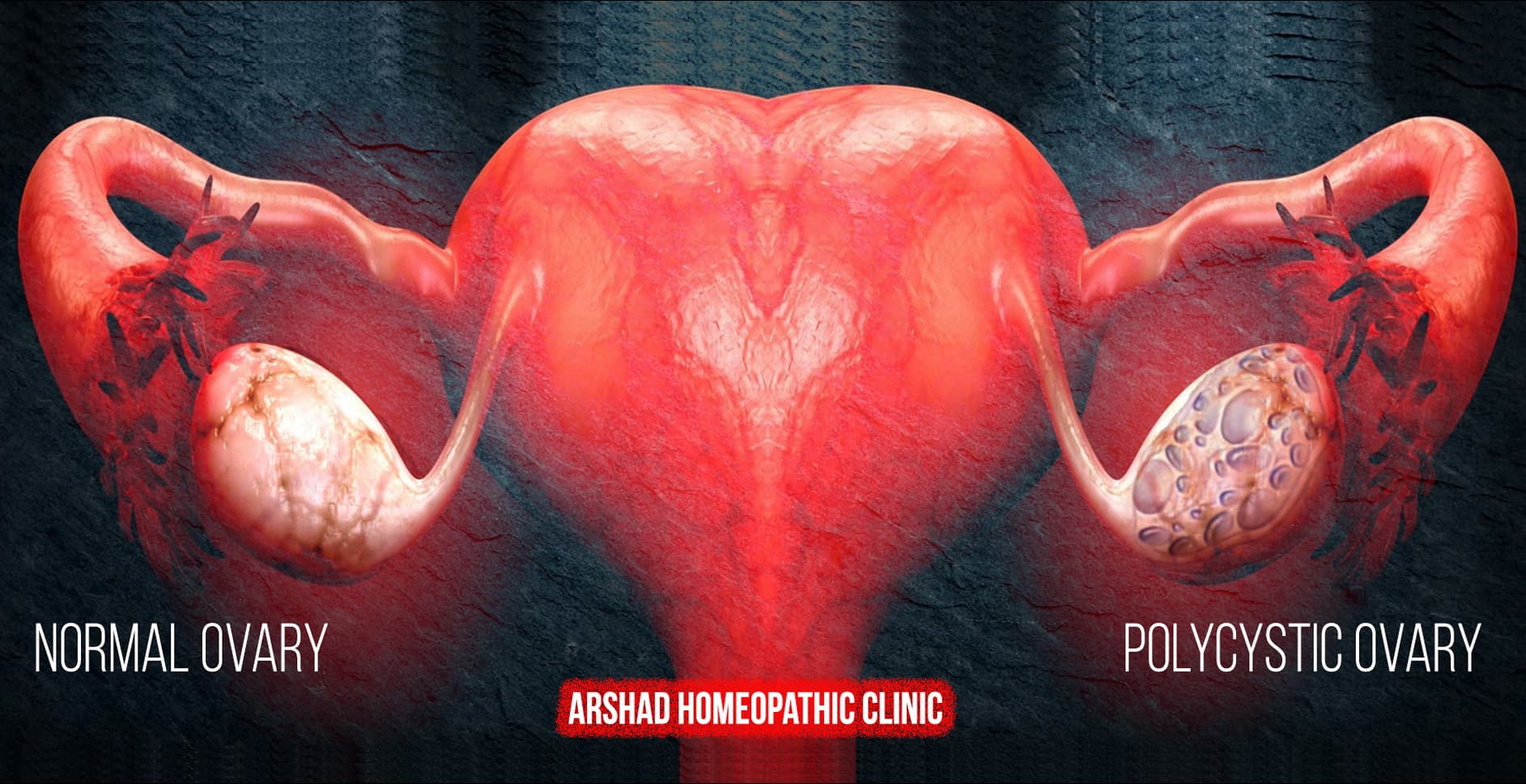
Polycystic ovary syndrome (PCOS) is a common hormonal and metabolic condition. It can affect periods, ovulation, skin, hair, fertility and long-term health. PCOS is not simply an “ovary problem,” and it does not mean someone has multiple painful cysts.
PCOS affects people differently. Some primarily experience irregular periods and difficulty conceiving; others notice acne, facial hair, scalp-hair thinning, weight changes or insulin resistance. Support should be respectful, individualised and free from blame.
PCOS symptoms
Symptoms can start in adolescence or become more obvious when periods remain irregular or when pregnancy is difficult to achieve. Common PCOS symptoms include:
Period and fertility changes
- Infrequent, irregular or absent periods
- Unpredictable, heavy or prolonged bleeding
- Difficulty predicting ovulation
- Difficulty conceiving for some people
Androgen and metabolic symptoms
- Acne, oily skin or skin changes
- Excess facial or body hair (hirsutism)
- Scalp-hair thinning or hair loss
- Weight changes, insulin resistance or darkened skin patches
- Sleep, mood or body-image concerns
What causes PCOS?
The exact cause of PCOS is not known. It often runs in families, and several factors can overlap:
- Androgen-related hormone changes: can affect ovulation, acne and hair growth.
- Insulin resistance: is common in PCOS and may influence metabolic health and androgen levels.
- Genetic factors: having close relatives with PCOS or type 2 diabetes may increase likelihood.
- Life stage and individual biology: symptoms can change over time and vary greatly from person to person.
Stress, eating habits or body weight do not cause PCOS by themselves. Healthy routines can help symptoms and long-term health, but they are not a substitute for diagnosis or compassionate medical care.
PCOS diagnosis: more than an ultrasound
A qualified doctor diagnoses PCOS after considering symptoms, menstrual history, examination and tests that exclude other causes. Diagnosis commonly looks for at least two of three features: irregular or absent ovulation, clinical or blood-test evidence of higher androgen activity, and polycystic ovarian appearance on ultrasound.
History and examination
Your clinician may ask about periods, fertility goals, acne, hair growth, medications, family history and changes in weight or wellbeing.
Blood tests
Tests may assess hormones and exclude other conditions. Glucose, cholesterol, blood pressure and metabolic risks may also be checked.
Ultrasound when appropriate
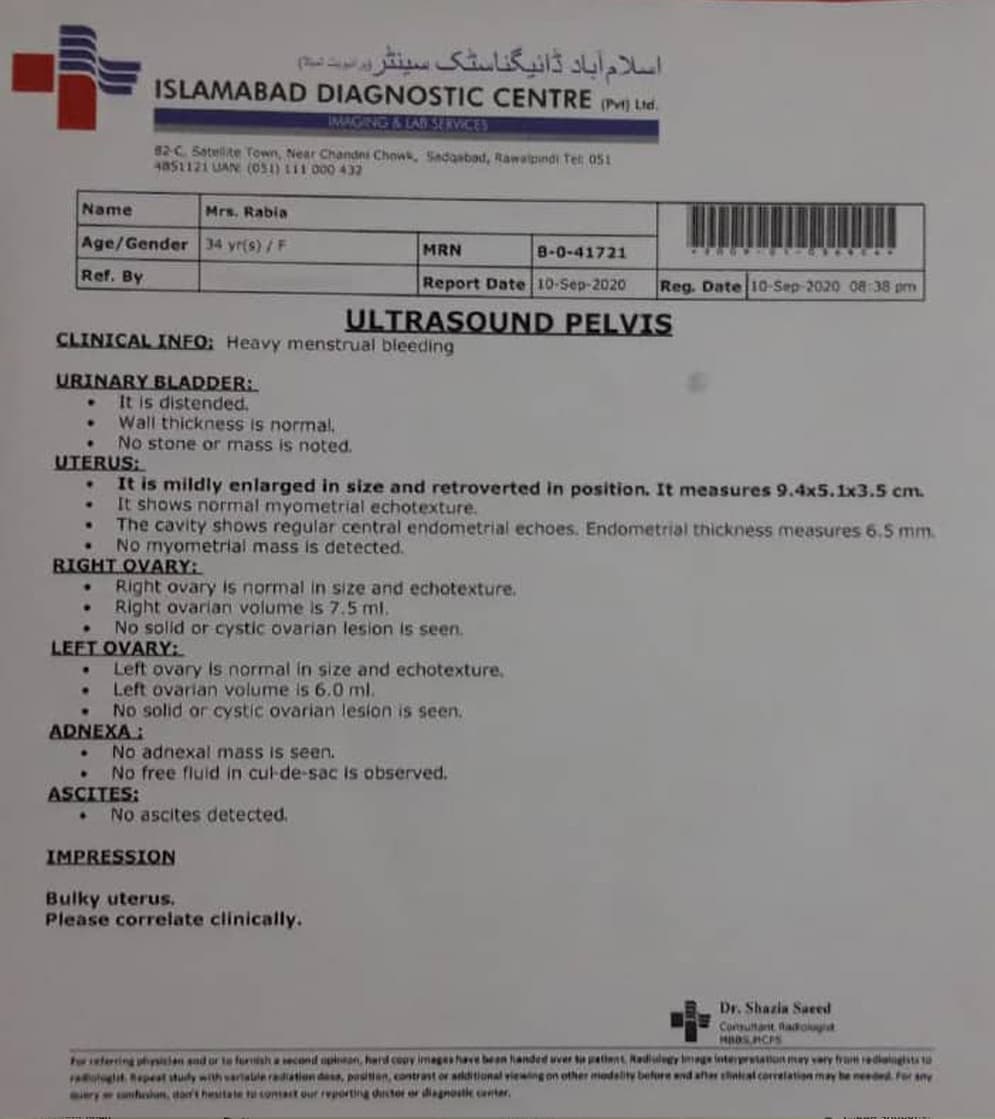
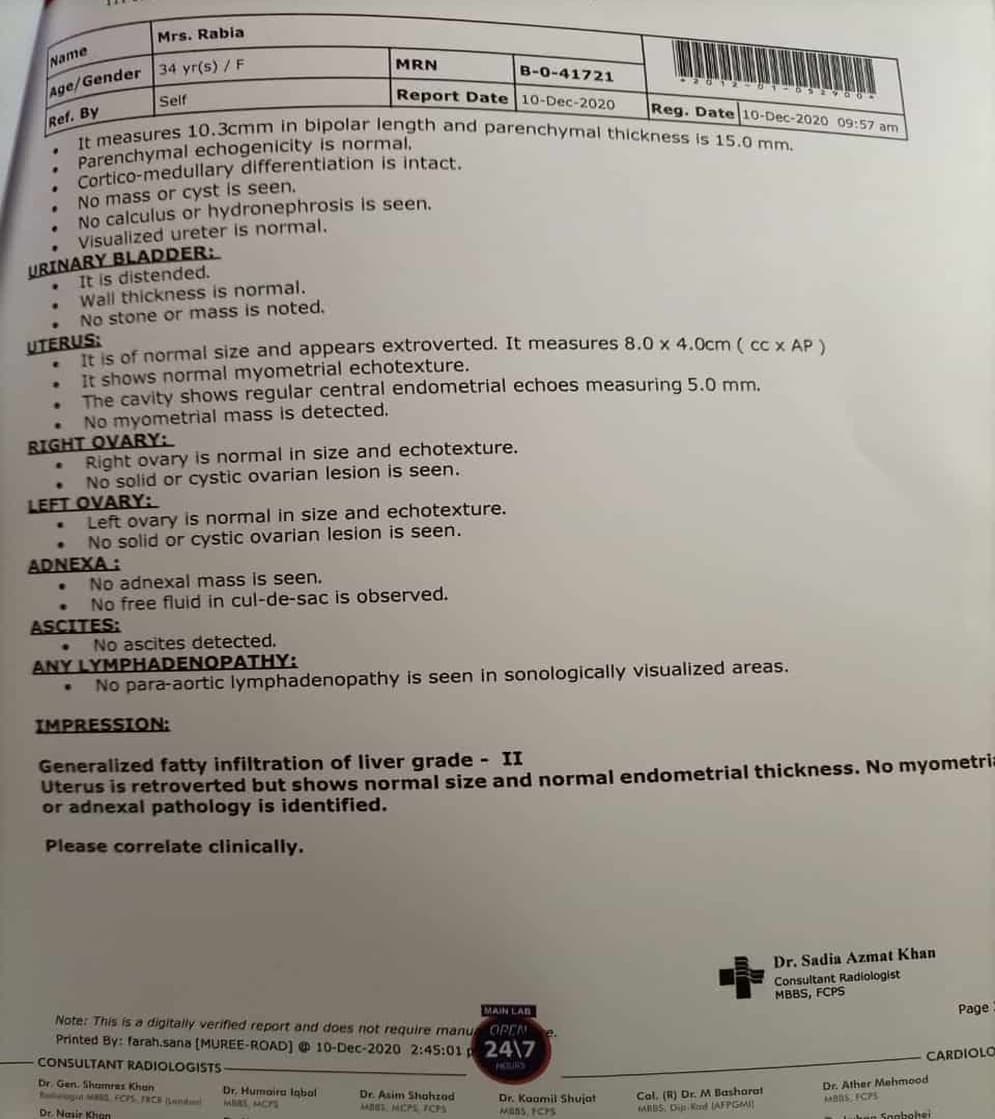
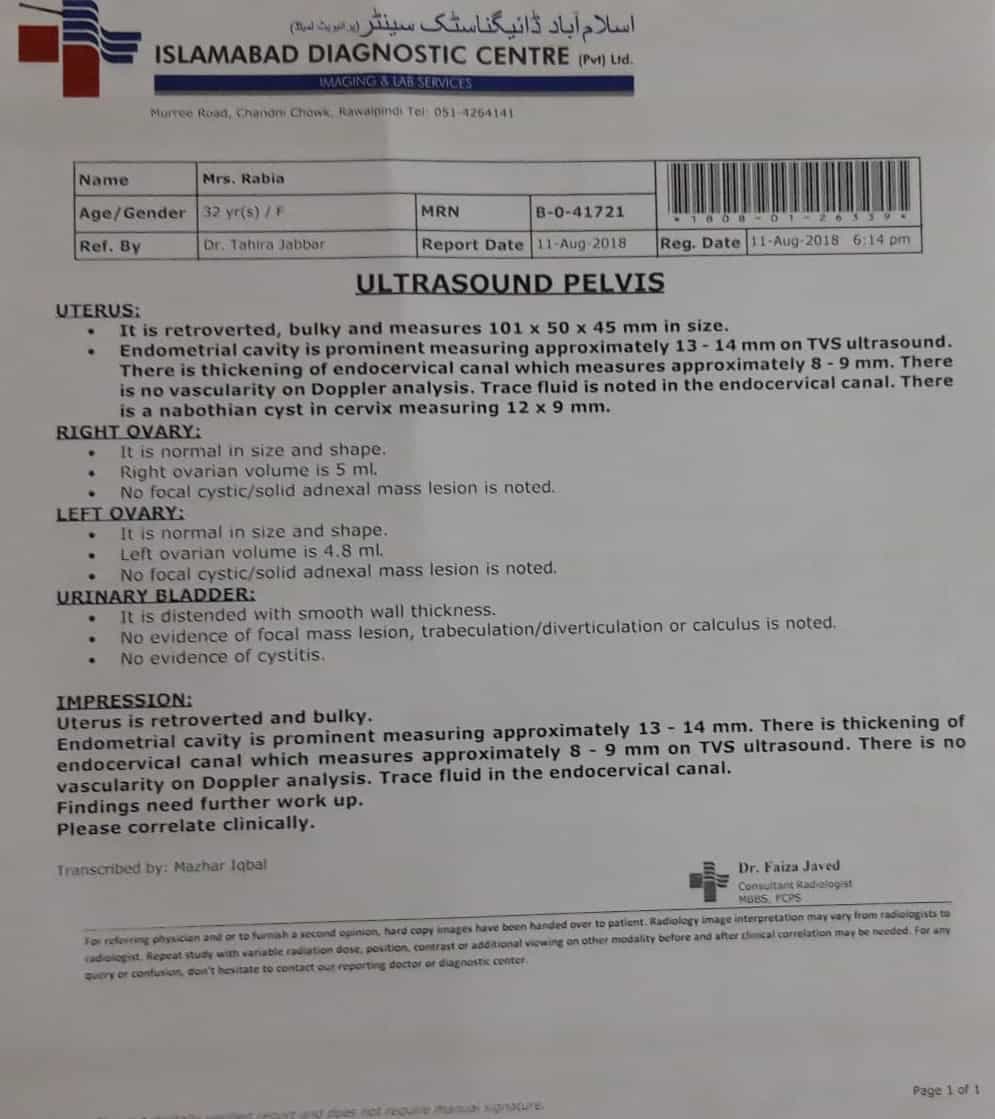
Ultrasound may help in some cases, but it is not required for everyone and does not diagnose PCOS on its own.
Seek medical advice for very heavy bleeding, bleeding after menopause, severe pelvic pain, a sudden rapid increase in facial hair or voice changes, or a positive pregnancy test with pain or bleeding.
PCOS treatment: goals-based, evidence-informed care
A plan should reflect what matters most to you: cycle regulation, acne or hair concerns, pregnancy, metabolic health, mood or long-term prevention. Medical treatment, lifestyle support and individualised homeopathic care can be combined.
Care a clinician may discuss
- Options to regulate periods and protect the uterine lining
- Treatment for acne or unwanted hair
- Metabolic-risk screening and management
- Fertility assessment and ovulation treatment
- Support for anxiety, depression or eating concerns
- Individualised homeopathic treatment
Useful ongoing support
- Regular follow-up based on individual risks
- Blood-pressure, glucose and cholesterol checks when appropriate
- Dietitian-led nutrition support
- Enjoyable, sustainable physical activity
- Sleep and stress support
Do not start, stop or change hormonal, fertility or metabolic medicines based only on online information. These decisions need personalised medical guidance.
PCOS diet and lifestyle: support without restriction or blame
There is no magic PCOS diet and no food needs to be universally banned. A balanced, sustainable eating pattern can support energy, glucose regulation and cardiovascular health. For many people, regular meals with a source of protein, fibre-rich foods, fruits, vegetables and foods they enjoy are more useful than extreme restrictions.
- Focus on habits you can maintain rather than rapid weight-loss promises.
- Choose movement that supports your body and mood—walking, strength training, sport or home exercise can all count.
- Prioritise sleep and seek help for persistent snoring or daytime sleepiness.
- Ask your doctor for support if eating feels stressful or confusing.
PCOS and fertility
PCOS is a leading cause of irregular ovulation, but it does not mean pregnancy is impossible. If you are trying to conceive, doctor can help assess cycle patterns, other fertility factors and the safest options for you. Pre-pregnancy support may include reviewing medicines, checking metabolic health and discussing folic acid and pregnancy monitoring.
Seek fertility advice earlier if periods are absent or very irregular, you are over 35, or you have other known fertility concerns. Avoid unproven “PCOS cure” products that promise pregnancy or rapid hormone balance.
Homeopathic Teatment for PCOS
Many women searching for homeopathic treatment for PCOS, natural PCOS care or a trusted PCOS specialist in Pakistan look for a more personalised and gentler approach. While PCOS requires proper medical diagnosis and ongoingonitoring—especially for metabolic health and fertility—homeopathy can offer meaningful supportive care.
At Arshad Homeopathic Clinic we take a thorough case history and prescribe carefully individualised remedies aimed at supporting hormonal balance, cycle regularity, skin and hair health, energy levels and overall wellbeing. Please continue all recommended blood tests, menstrual management, fertility care and treatment for related conditions such as diabetes or high blood pressure. Always inform every healthcare provider about the homeopathic remedies and supplements you are taking.
Frequently asked questions about PCOS
What is PCOS?
Polycystic ovary syndrome (PCOS) is a common hormonal and metabolic condition associated with irregular ovulation, androgen-related symptoms and, for some people, polycystic ovarian appearance.
What are the main symptoms of PCOS?
Symptoms can include irregular or absent periods, difficulty conceiving, acne, excess facial or body hair, scalp-hair thinning, weight changes and darkened skin patches. Symptoms vary widely.
Does PCOS mean I have ovarian cysts?
No. Despite the name, ovarian cysts are not required for diagnosis, and many people with PCOS do not have them. PCOS is not the same as having one or more ovarian cysts.
What causes PCOS?
The exact cause is not fully understood. Family history, androgen-related hormonal changes and insulin resistance can contribute. PCOS is not caused by a lack of willpower.
How is PCOS diagnosed?
A doctor reviews symptoms, menstrual history, physical signs, blood tests and sometimes ultrasound, while excluding other possible causes. Diagnosis typically uses at least two features: irregular ovulation, androgen excess and polycystic ovarian appearance.
Can PCOS be cured permanently?
PCOS is a complex hormonal condition, and its course differs from woman to woman. Individualised homeopathic care may support symptom management and overall wellbeing alongside appropriate lifestyle and medical guidance.
Can homeopathy cure PCOS?
Homeopathy may provide personalised support for menstrual irregularities and other PCOS-related concerns. At Arshad Homeopathic Clinic, remedies are selected according to each woman's complete symptom picture and individual health profile.
What is the best treatment for PCOS?
The appropriate approach depends on symptoms and personal goals, including cycle regulation, fertility, skin concerns and metabolic health. Individualised homeopathic care may be considered alongside suitable lifestyle measures and medical management.
Can homeopathy be used alongside other PCOS treatments?
Yes, homeopathic care may be used as a complementary approach alongside conventional PCOS management. Patients should keep their healthcare providers informed about all remedies and supplements they are taking.
Are homeopathic medicines safe for PCOS?
When prescribed by a qualified practitioner, homeopathic remedies are generally gentle and highly diluted. They should not be used to replace prescribed medication, recommended investigations or necessary medical follow-up.
Which homeopathic medicines are used for PCOS?
Remedies such as Sepia, Pulsatilla, Natrum muriaticum, Lycopodium, Calcarea carbonica and Thuja may be considered according to individual symptoms. The appropriate remedy and potency are selected after a detailed case assessment.
May I use homeopathic medicines myself without a doctor's consultation?
Self-prescribing is not advisable because PCOS symptoms and hormonal patterns vary considerably between individuals. A qualified homeopathic practitioner can review your complete history and select an appropriate treatment approach.
Can PCOS cause infertility?
PCOS can make ovulation irregular and is a common cause of infertility, but many people with PCOS conceive with appropriate support and treatment.
Can I get pregnant with PCOS naturally?
Some people with PCOS conceive without fertility treatment. If pregnancy is not happening or periods are very irregular, speak with a doctor for individual advice.
Does PCOS cause weight gain?
Weight changes and insulin resistance are common for some people with PCOS, but PCOS affects people of all body sizes. Care should focus on health, symptoms and sustainable support, not blame.
What foods should I eat for PCOS?
There is no one PCOS diet. A balanced, enjoyable eating pattern with regular meals and adequate fibre, protein and minimally processed foods can support metabolic health. A dietitian can tailor advice.
Can exercise help PCOS?
Regular activity can support insulin sensitivity, mood, sleep and cardiovascular health. The best activity is one that is accessible and sustainable for you.
Can PCOS cause acne and facial hair?
Yes. Higher androgen activity can contribute to acne, oily skin and hirsutism (coarser hair growth on the face or body). Treatment options should be discussed with a doctor.
Why are my periods irregular with PCOS?
PCOS can affect ovulation. If ovulation does not happen regularly, periods may be infrequent, unpredictable or absent. Long gaps between periods should be discussed with a doctor.
Can PCOS increase diabetes risk?
PCOS is associated with a higher risk of insulin resistance and type 2 diabetes. Your doctor may advise blood-pressure, cholesterol and glucose monitoring based on your individual risks.
Can PCOS affect mental health?
PCOS can affect confidence, body image, anxiety and depression. Mental-health support is a valid and important part of PCOS care.
When should I see a PCOS specialist?
See a qualified and experienced doctor for irregular periods, signs of androgen excess, difficulty conceiving, rapid symptom changes or concerns about blood sugar and metabolic health.
Do I need an ultrasound for PCOS?
Not always. Whether ultrasound is useful depends on age, symptoms and other tests. It is not the only way to diagnose PCOS.
Discuss Your Health Issues with Arshad Homeopathic Clinic
We offer individualised homeopathic consultations focused on hormonal balance, cycle support and overall wellbeing. If you have an established diagnosis of PCOS or are managing its symptoms,individualised homeopathic care can offer meaningful support for hormonal balance, cycle regularity, energy levels and overall wellbeing. Book a consultation to receive a carefully selected remedy matched to your unique symptom picture.
Medical information notice: This page provides general information, not a diagnosis or personalised medical advice. PCOS symptoms can overlap with other hormonal and gynaecological conditions.