What is fatty liver disease?
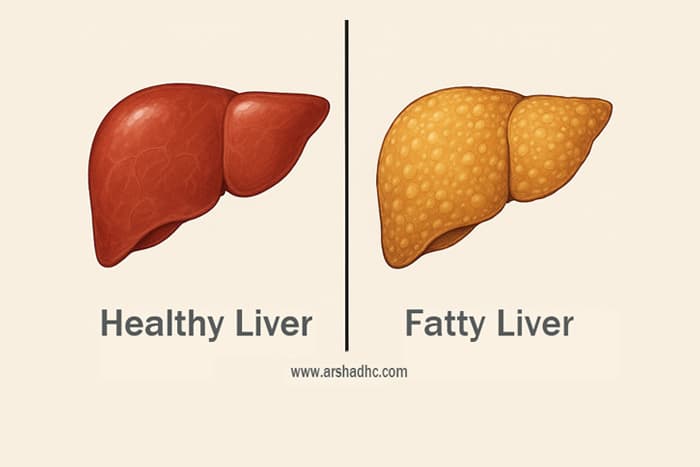
Fatty liver disease means there is excess fat in liver cells. The metabolic form is now commonly called metabolic dysfunction-associated steatotic liver disease (MASLD); it was previously called non-alcoholic fatty liver disease (NAFLD). “Fatty liver” remains the term many people use when searching for help.
Fatty liver is common and often linked to insulin resistance, type 2 diabetes, higher waist circumference, high blood pressure and cholesterol. It can also occur with alcohol use, certain medicines or other liver conditions, so the cause must be assessed rather than assumed.
Fatty liver symptoms
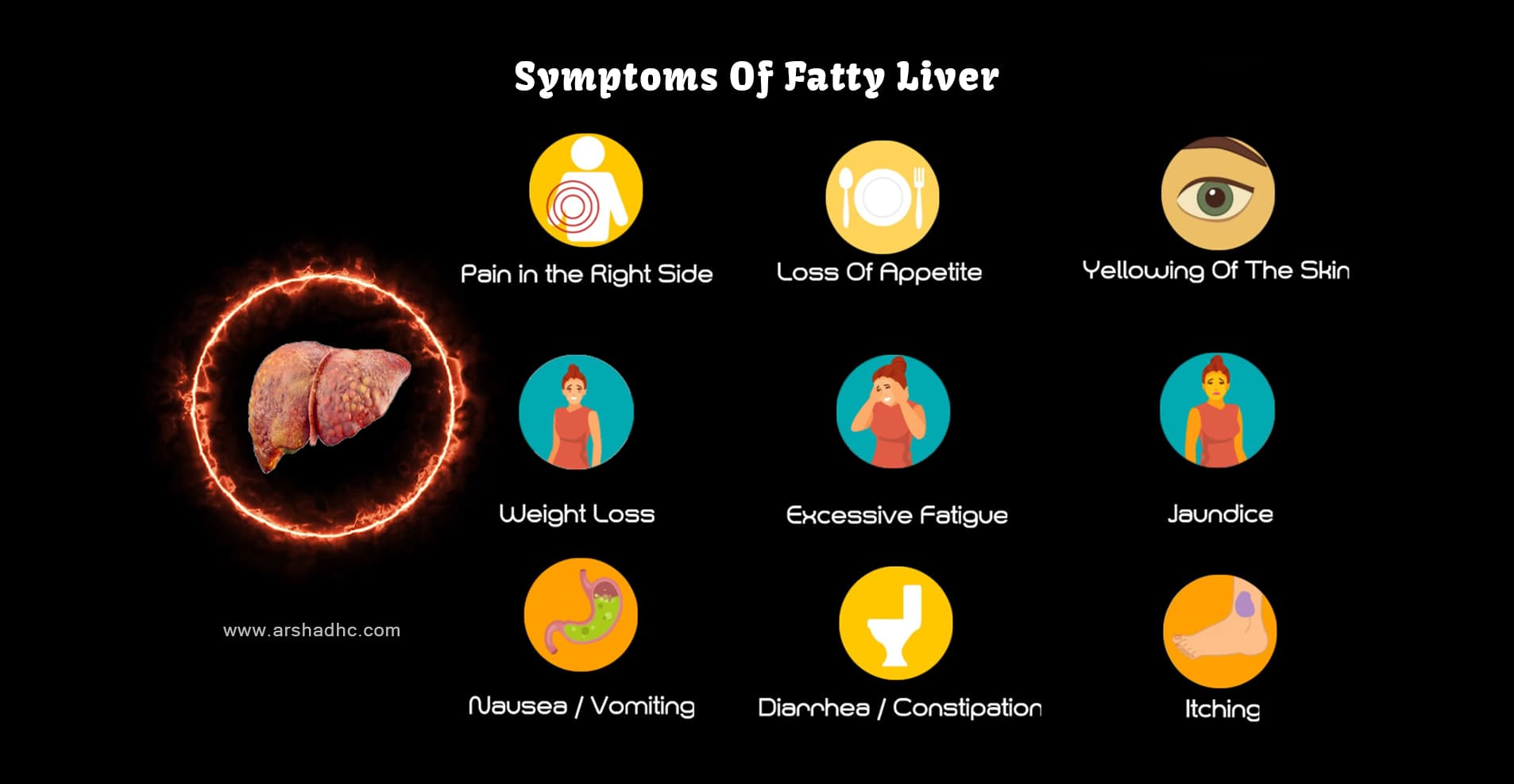
Fatty liver often causes no obvious symptoms and may first be found through routine blood tests or an ultrasound. When symptoms occur, they can be non-specific:
Possible early symptoms
- Tiredness or low energy
- Feeling generally unwell
- Discomfort under the right ribs
- Reduced appetite or nausea
Symptoms needing urgent assessment
- Yellow skin or eyes (jaundice)
- Swollen abdomen or legs
- Vomiting blood or black stools
- Confusion, severe weakness or easy bruising
Fatty liver causes and risk factors
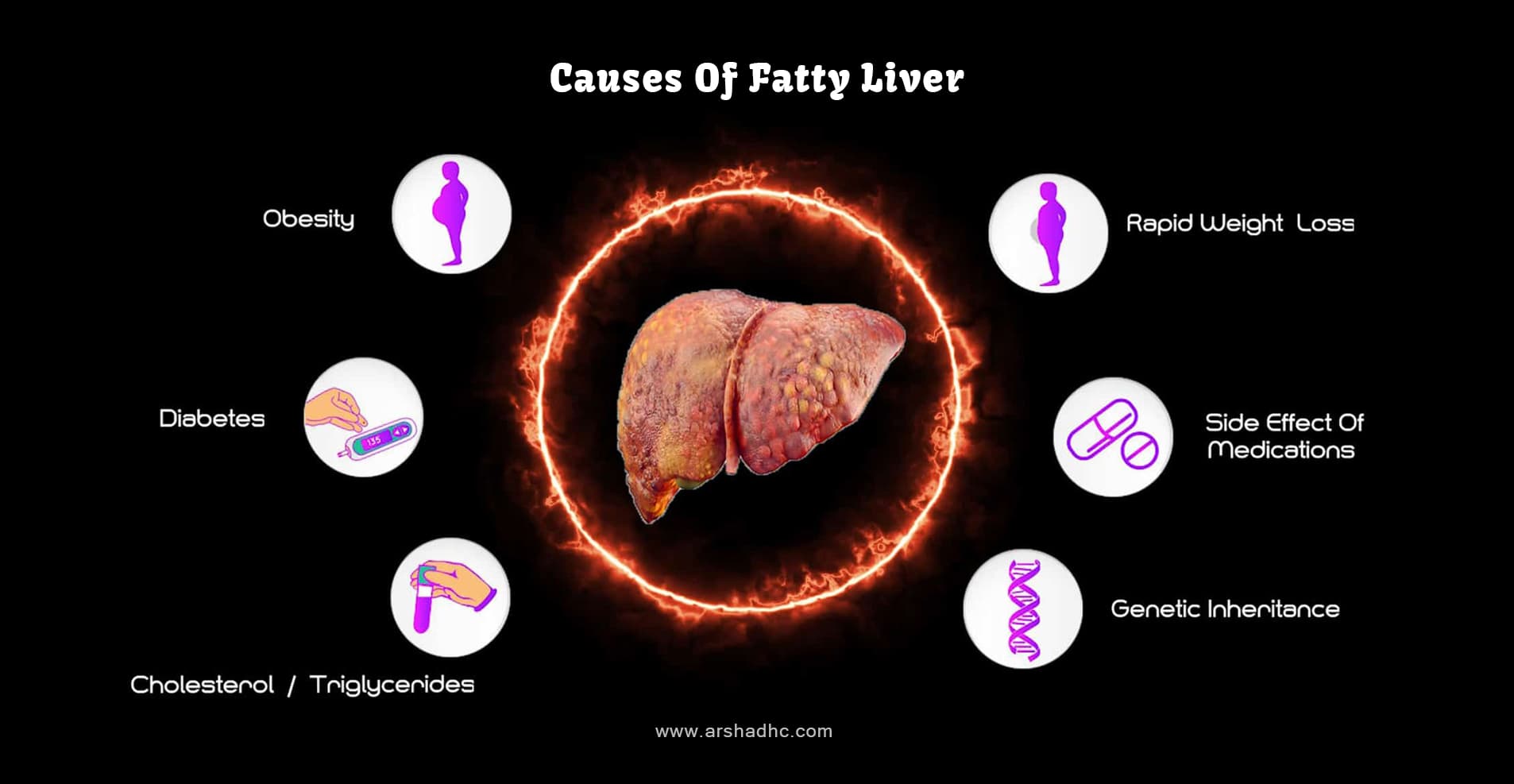
MASLD is closely connected with metabolic health. Risks can overlap and are not a personal failure.
- Insulin resistance and type 2 diabetes
- Higher abdominal/waist fat
- High cholesterol, triglycerides or blood pressure
- PCOS: see our PCOS guide for related metabolic information.
- Alcohol use, medicines or other liver diseases that need separate consideration.
Fatty liver diagnosis and liver tests
A clinician may assess weight, waist measurement, blood pressure, glucose, cholesterol, alcohol intake, medicines and family history. Blood tests and an abdominal ultrasound can identify liver abnormalities or fat. Non-invasive fibrosis tests may estimate the risk of significant scarring, and specialists can decide whether additional imaging or other tests are needed.
It is important to exclude viral hepatitis, alcohol-related liver disease, medication-related injury and other causes of abnormal liver tests. Do not diagnose yourself from an ultrasound report alone.
Fatty liver treatment: liver health and metabolic care
The best fatty liver treatment is based on its cause and whether fibrosis is present. For MASLD, managing metabolic health is central. Your clinician may recommend lifestyle support, treatment for diabetes, blood pressure or cholesterol, and regular monitoring. Individualised homeopathic care can support energy, digestion and overall vitality alongside these measures. Some people with more advanced disease need hepatology care and specific therapies.
Core management
- Individualised nutrition and activity support
- Addressing blood sugar, cholesterol and blood pressure
- Reviewing alcohol intake and medicines
- Monitoring liver tests and fibrosis risk
- Wonderful Homeopathic treatment
When specialist care matters
- Significant or progressing fibrosis
- Possible cirrhosis or uncertain diagnosis
- Persistently abnormal liver tests
- Signs of liver complications
Supporting Fatty Liver Through Diet & Lifestyle
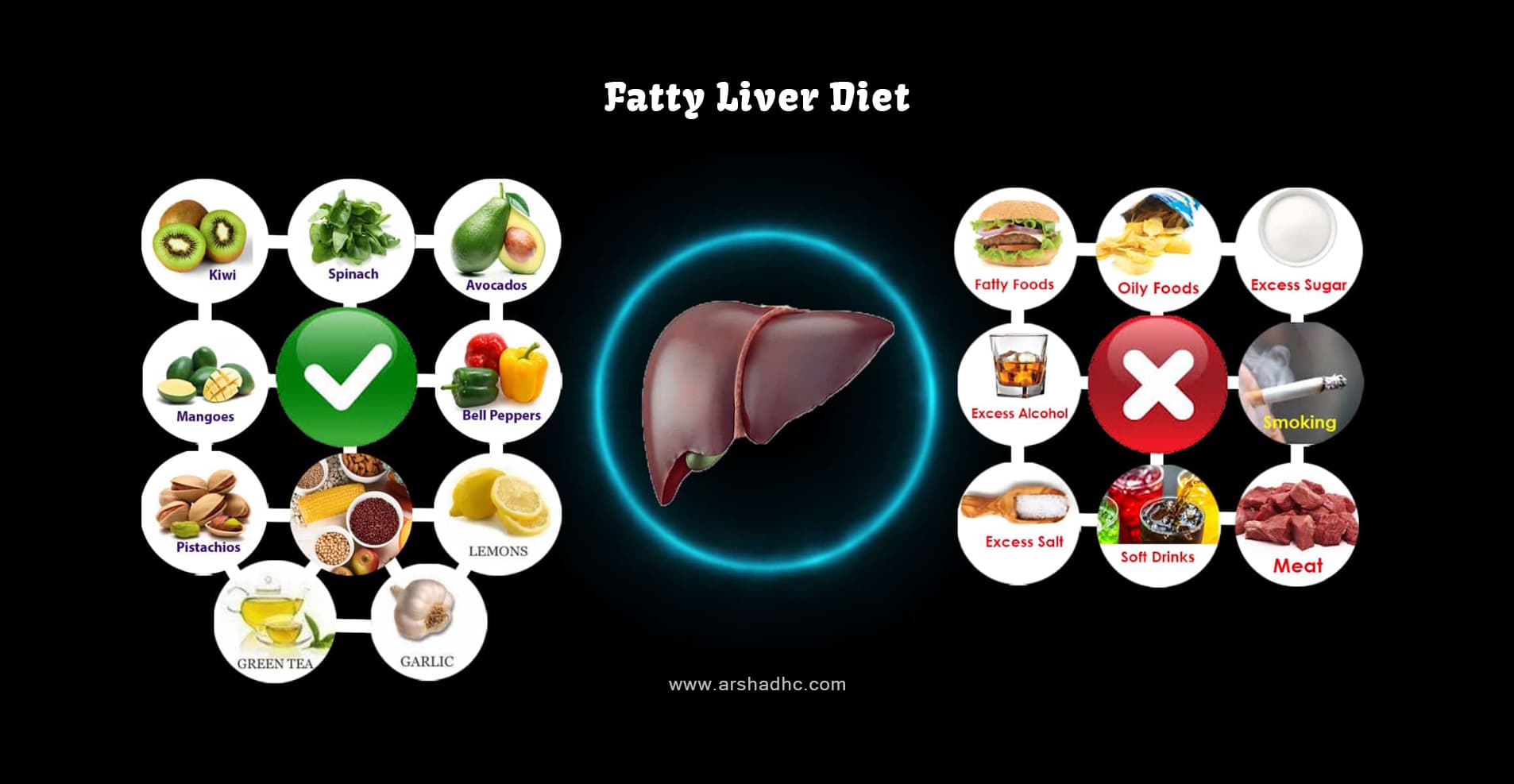
Lasting improvement in fatty liver is best achieved through steady, sustainable habits rather than short-term detoxes, extreme diets or unproven “liver cleanse” products. At Arshad Homeopathic Clinic we encourage gentle, practical changes that work in harmony with individualised homeopathic treatment and medical monitoring.
- Build regular meals around fresh vegetables, seasonal fruit, fibre-rich foods and adequate protein to support natural metabolic balance.
- Gradually reduce sugary drinks and highly processed foods to ease the load on the liver and improve overall vitality.
- Include regular physical activity you can maintain — such as daily walking and appropriate strength exercise — to support healthy metabolism and energy levels.
- Avoid rapid or unsupervised weight loss and be cautious with commercial supplements marketed as liver detoxes. Sustainable progress is safer and more effective when guided by proper assessment.
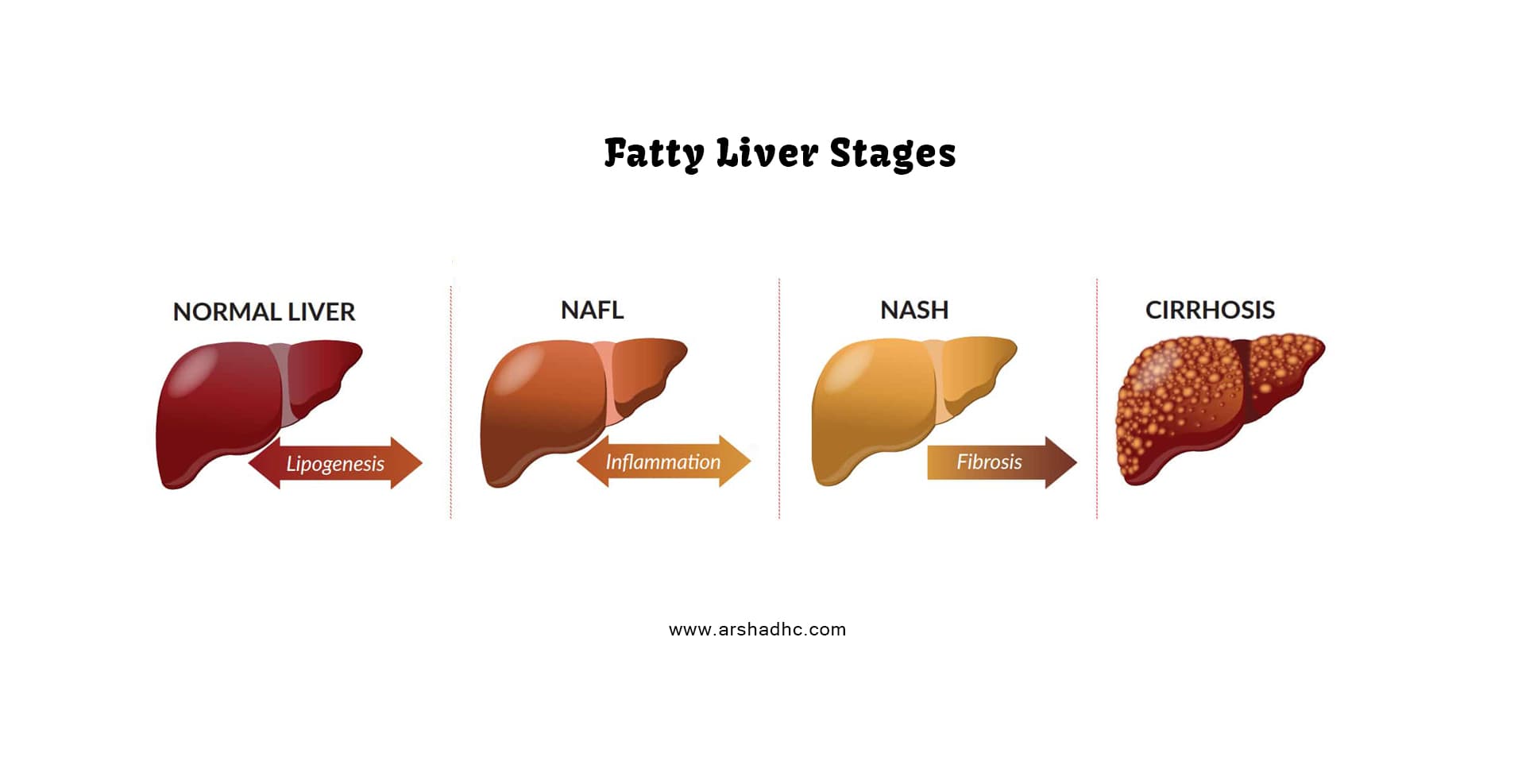
From liver fat to fibrosis, MASH and cirrhosis
Not everyone with fatty liver develops severe liver disease. In some people, ongoing inflammation and injury can lead to scarring (fibrosis). The term MASH describes a form of metabolic fatty liver disease with inflammation and liver-cell injury. Advanced fibrosis can progress to cirrhosis, which requires specialist follow-up.
Seek urgent medical assessment for jaundice, a rapidly swelling abdomen, swollen legs, vomiting blood, black stools, confusion, severe drowsiness or a sudden major decline in health. These may be signs of serious liver complications.
Homeopathic support for fatty liver
Those looking for homeopathic care for fatty liver or a more natural form of liver support often prefer a personalised and non-aggressive approach. Even so, fatty liver needs accurate medical evaluation, especially if there is any concern about fibrosis, diabetes or other underlying liver issues.
At Arshad Homeopathic Clinic each patient receives a detailed consultation so that a remedy can be chosen according to their specific symptoms, constitution and overall health picture. Our aim is to gently support metabolic function, digestive comfort and day-to-day energy while the patient remains under appropriate medical supervision. Please keep every healthcare provider informed about the remedies and supplements you are using, and never postpone recommended investigations or specialist advice without prior consultation.
Frequently asked questions about fatty liver
What is fatty liver disease?
Fatty liver disease means excess fat has built up in the liver. The metabolic form is now commonly called metabolic dysfunction-associated steatotic liver disease (MASLD), formerly NAFLD.
What are fatty liver symptoms?
Fatty liver often causes no symptoms. Some people report tiredness, feeling unwell or discomfort under the right ribs, but these are not specific and need assessment.
What causes fatty liver?
Metabolic risk factors such as insulin resistance, type 2 diabetes, higher waist circumference, high cholesterol and high blood pressure are common contributors. Alcohol and other liver conditions can also cause liver fat.
Can fatty liver be reversed?
Early liver fat can often improve with evidence-based management of metabolic risks and alcohol intake where relevant. Individualised homeopathic care can support overall vitality and lifestyle changes. The right plan depends on the cause and whether fibrosis or cirrhosis is present.
Is fatty liver serious?
It can be. Some people develop inflammation and scarring (fibrosis), and advanced scarring can lead to cirrhosis and complications. Risk assessment and follow-up matter.
What is MASLD?
MASLD stands for metabolic dysfunction-associated steatotic liver disease. It is the current name for much of what was previously called non-alcoholic fatty liver disease (NAFLD).
What is MASH?
MASH means metabolic dysfunction-associated steatohepatitis, formerly called NASH. It refers to a more active form of metabolic fatty liver disease with inflammation and liver-cell injury.
How is fatty liver diagnosed?
A clinician reviews medical history, alcohol intake, medicines and metabolic risks. Blood tests, ultrasound and non-invasive fibrosis assessment may be used, while other causes of liver disease are excluded.
When should I seek a liver diagnosis?
Specialist review is advisable if there is a significant risk of fibrosis, persistently abnormal liver tests, possible cirrhosis, an uncertain diagnosis, jaundice, abdominal swelling or any signs of liver complications. Early assessment helps guide safe and effective care.
Can an ultrasound detect fatty liver?
Ultrasound can show liver fat in many cases, but it does not reliably stage inflammation or scarring. Your clinician may use other tests to assess fibrosis risk.
What is liver fibrosis?
Fibrosis is scarring that develops when the liver is repeatedly injured. It can improve in some circumstances, but advanced fibrosis and cirrhosis need specialist care.
What is the best diet for fatty liver?
There is no miracle diet. A sustainable pattern that supports metabolic health—such as more minimally processed foods, fibre-rich plants, appropriate protein and fewer sugary drinks—can help. A dietitian can tailor advice.
Can weight loss help fatty liver?
For people for whom weight loss is appropriate, gradual, sustainable changes can improve liver fat and metabolic health. Care should be individualised and avoid rapid, unsafe dieting.
Can exercise help fatty liver?
Regular physical activity supports liver and cardiometabolic health, even when weight does not change. Choose an achievable mix of aerobic and strength activities with clinical advice where needed.
Can diabetes cause fatty liver?
Type 2 diabetes and insulin resistance are strongly associated with MASLD. Blood sugar management is an important part of liver-health care.
Can PCOS increase fatty liver risk?
PCOS is associated with insulin resistance and metabolic risk, which can increase the likelihood of fatty liver. Discuss appropriate screening with your clinician.
Can homeopathy be used alongside liver care?
Yes. Homeopathy can be used as a complementary approach alongside medical monitoring and lifestyle measures. Always tell your medical team about every remedy, herb and supplement you use, because some products can affect the liver or interact with medicines.
What symptoms may suggest advanced liver disease?
Jaundice, abdominal swelling, leg swelling, vomiting blood, black stools, confusion, severe itching or easy bruising need urgent medical assessment.
Can homeopathy treat fatty liver?
Homeopathy provides personalised support for people dealing with fatty liver by considering their digestive symptoms, energy, metabolic tendencies and overall constitution. At Arshad Homeopathic Clinic, remedies are individually selected to support wellbeing alongside appropriate medical care.
Are homeopathic medicines safe for fatty liver?
When prescribed by a qualified practitioner, homeopathic remedies are generally gentle and well-tolerated. They should be used responsibly alongside recommended liver monitoring and should not replace essential medical treatment.
Which homeopathic medicines are used for fatty liver?
Remedies such as Chelidonium, Lycopodium, Carduus marianus, Nux vomica and Natrum sulphuricum may be considered according to the individual's symptoms. The appropriate remedy and potency depend on the person's complete case and should be professionally selected.
What is the best treatment for fatty liver?
The right approach depends on the severity of fatty liver, lifestyle factors and overall health. Individualised homeopathic care provide complementary support for digestive comfort, energy and general wellbeing while appropriate medical monitoring continues.
Can homeopathy cure fatty liver?
Homeopathic treatment focuses on the individual's overall symptom pattern, digestive health, vitality and constitutional characteristics. At Arshad Homeopathic Clinic, personalised care is provided as complementary support alongside appropriate lifestyle measures and medical follow-up.
Discuss Your Health Concerns with Arshad Homeopathic Clinic
We provide carefully personalised homeopathic consultations aimed at supporting metabolic balance, digestive comfort and overall vitality. When fatty liver has already been diagnosed and is being monitored, individualised homeopathic treatment can help ease associated discomfort, promote natural balance and improve day-to-day energy and wellbeing. Arrange a consultation to receive a precisely matched remedy based on your complete symptom picture and constitution.
Medical information notice: This page is general information, not a diagnosis or individual medical advice. Liver symptoms and abnormal liver tests require appropriate medical assessment.