What is irritable bowel syndrome (IBS)?
Irritable bowel syndrome is a common condition involving the way the gut and brain communicate. It can cause recurring abdominal pain alongside diarrhoea, constipation or a change in stool pattern. IBS is real and can be disruptive, but it does not cause the intestinal inflammation or structural damage seen in inflammatory bowel disease (IBD).
Symptoms often come and go. For some people, a flare affects work, travel, meals, sleep and confidence. A useful IBS plan starts with an accurate assessment, rather than assuming every stomach symptom is IBS.
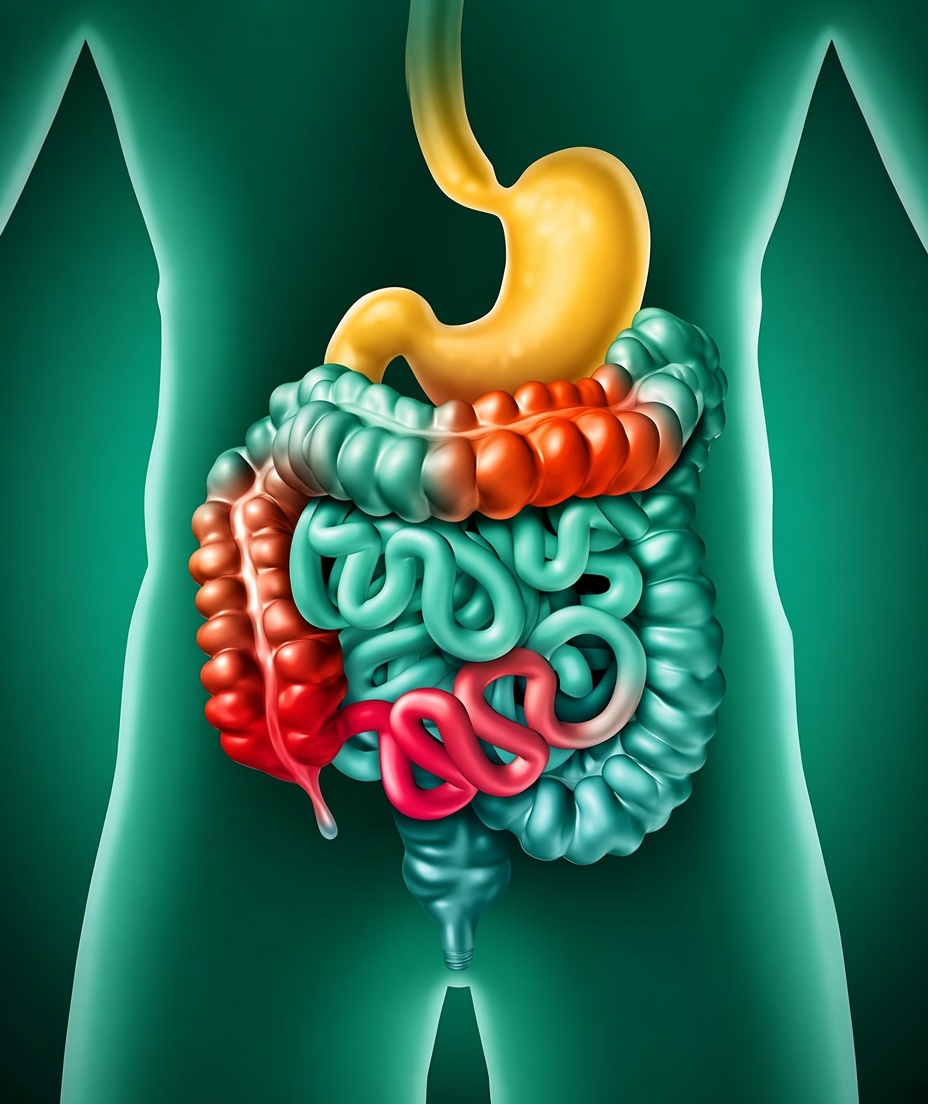
IBS symptoms: more than a “sensitive stomach”
The hallmark symptom is recurrent abdominal pain or discomfort associated with bowel movements or a change in stool frequency or form. People may also experience:
Digestive symptoms
- Cramping or lower abdominal pain
- Bloating, visible distension and gas
- Loose stools, urgency or diarrhoea
- Constipation, hard stools or straining
- Feeling that the bowel has not emptied fully
- Mucus in the stool
Symptoms that can occur alongside IBS
- Food-related discomfort
- Nausea or fatigue
- Sleep disruption during flares
- Backache or bladder symptoms
- Stress-related worsening
Symptoms are individual. Keep a simple diary of meals, symptoms, stress, sleep and bowel changes for a clinician; it is often more useful than trying to eliminate many foods at once.
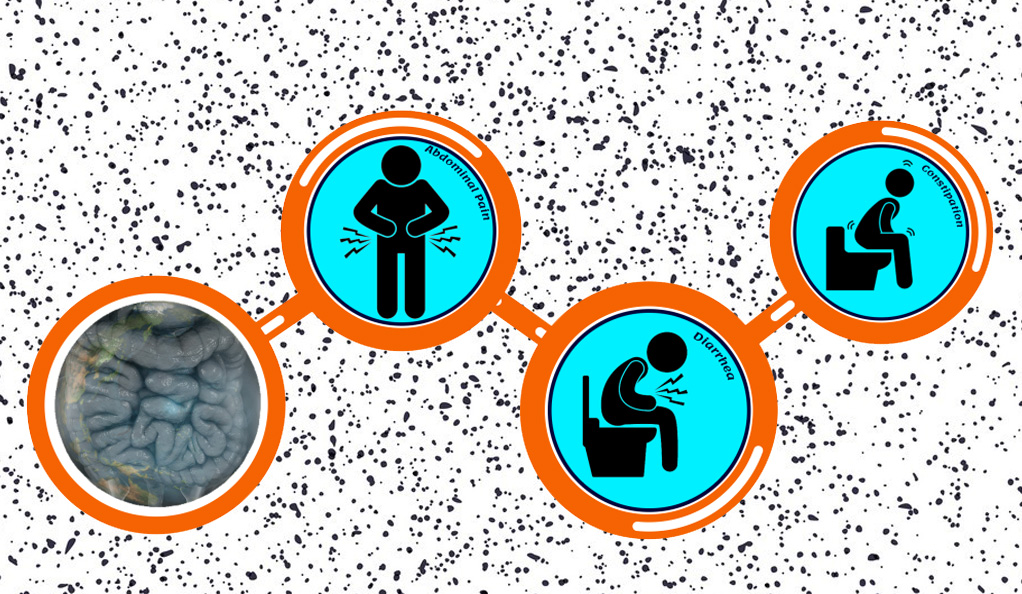
What causes IBS?
There is no single proven cause of IBS. Research points to several overlapping factors, which is why the most helpful treatment plan is personalised rather than one-size-fits-all.
- Gut-brain interaction: the digestive system and nervous system communicate continuously; pain sensitivity and stress responses can become amplified.
- Changes in gut movement: bowel contractions may be faster or slower than usual, contributing to diarrhoea or constipation.
- Visceral hypersensitivity: normal stretching of the bowel may be felt as pain or bloating.
- Food and drink triggers: these are personal and do not mean a food allergy is always present.
- Post-infectious IBS: symptoms can begin after a stomach infection in some people.
- Sleep, stress and life events: these may influence flare frequency and severity.
Types of IBS: IBS-D, IBS-C and IBS-M
IBS-D
Diarrhoea-predominant IBS may involve loose stools, urgency and cramping, often with a sense of needing to find a toilet quickly.
IBS-C
Constipation-predominant IBS may involve hard stools, straining, incomplete emptying and bloating.
IBS-M
Mixed IBS alternates between constipation and diarrhoea. Symptoms can shift, so tracking patterns matters.
IBS diagnosis: what to expect
There is no single “IBS test.” A doctor or qualified clinician considers the symptom pattern, medical history, medicines, diet, examination and any warning signs. Targeted blood or stool tests may be used to exclude conditions such as coeliac disease, infection or inflammatory bowel disease; a colonoscopy is not needed for everyone.
🚩: seek prompt medical assessment
Do not self-diagnose IBS if you have blood in stool, unexplained weight loss, persistent fever, anaemia, vomiting, a new bowel change later in life, symptoms waking you at night, or a close family history of bowel cancer, coeliac disease or IBD. These symptoms need medical evaluation.
IBS and IBD can seem similar. If you have persistent diarrhoea, rectal bleeding, fever or weight loss, discuss this promptly with a medical doctor rather than relying on a digestive-health product or complementary treatment alone.
IBS treatment: finding the approach that fits your symptoms
The best IBS treatment is based on your predominant symptoms, possible triggers, preferences and medical history. Care may combine several approaches:
First-line support
- Regular meals and adequate fluids
- Gradual, suitable fibre changes
- Movement and activity that feels manageable
- Sleep and stress-management support
- A structured food-and-symptom diary
Clinician-guided options
- Dietitian-led low-FODMAP advice when appropriate
- Medicines for cramps, constipation or diarrhoea
- Individualised homeopathic treatment
- Gut-directed psychological therapies for suitable patients
- Further investigation or gastroenterology referral when needed
No page can determine the right medicine, dose or diet for you. A clinician can help rule out other conditions and set realistic goals, such as fewer painful days, improved bowel regularity and greater confidence with meals and travel.
IBS diet and lifestyle: practical, sustainable changes
There is no single best IBS diet. Many people benefit from changing one thing at a time rather than adopting a highly restrictive “gut healing” plan. Commonly discussed triggers include caffeine, alcohol, large fatty meals, chilli, onions, garlic, beans, some dairy products and sugar alcohols; none needs to be removed automatically.
A sensible starting point
- Eat regular meals and avoid rushing them where possible.
- Drink water throughout the day; consider whether fizzy drinks, excess caffeine or alcohol aggravate symptoms.
- Adjust fibre gradually. Some people tolerate soluble fibre, such as oats, better than bran.
- Ask for dietitian support before beginning a low-FODMAP elimination phase.
- Include gentle activity and routines that support sleep and stress recovery.
People living in Pakistan, the UK, UAE or Europe can adapt these principles to familiar foods. A dietitian can help make changes without losing nutritional adequacy or cultural food preferences.
Homeopathic treatment for IBS
People searching for homeopathic IBS treatment, natural IBS remedies or a homeopathic IBS specialist often want a gentle, individualised approach. At Arshad Homeopathic Clinic we take a detailed case history that includes the complete symptom picture, stool pattern, food triggers, stress response, sleep and overall constitution. From this information an individualised homeopathic remedy is selected to support the body’s own regulatory processes and help reduce the frequency and intensity of IBS flares.
Homeopathy can be used alongside sensible diet and lifestyle measures. We encourage patients to maintain appropriate medical care and to seek urgent evaluation for any red-flag symptoms. Do not stop prescribed medicines or begin any remedy based only on information online; a proper consultation is essential.
Frequently asked questions about IBS
What is the best treatment for IBS?
The best IBS treatment depends on whether constipation, diarrhoea, pain, bloating or mixed bowel habits are most troublesome. A clinician can help confirm the diagnosis, identify triggers and discuss diet, lifestyle, psychological, homeopathic and medicine options.
Can IBS be cured permanently?
IBS is commonly a long-term, relapsing condition. Many people achieve meaningful control of symptoms with a personalised plan that may include homeopathy, diet and lifestyle support.
Can homeopathy treat IBS?
Homeopathic care may provide personalised support for people experiencing IBS symptoms such as bloating, abdominal discomfort and irregular bowel habits. At Arshad Homeopathic Clinic, treatment is selected according to the individual's complete symptom profile and overall health.
Are homeopathic medicines safe for IBS?
When prescribed by a qualified homeopathic practitioner, remedies are generally gentle and highly diluted. Patients should inform their healthcare providers about all treatments they use and should not discontinue prescribed medicines without professional guidance.
Which homeopathic medicines are used for IBS?
Remedies such as Nux vomica, Lycopodium, Argentum nitricum, Colocynthis and Sulphur may be considered according to the individual's symptoms. The appropriate remedy and potency vary between patients and should be selected following a professional consultation.
Can I use homeopathic medicines myself without a doctor's consultation?
Self-prescribing is not recommended because the appropriate remedy depends on your symptoms, medical history and individual constitution. A qualified homeopathic practitioner can assess your case and select an appropriate treatment approach.
What are the main IBS symptoms?
Typical symptoms include recurrent abdominal pain or cramping, bloating, gas, diarrhoea, constipation, urgency, incomplete emptying and changes in stool form. Symptoms can fluctuate over time.
What causes irritable bowel syndrome?
IBS does not have one single cause. It is associated with altered gut-brain signalling, gut sensitivity, bowel movement changes, food-related triggers, stress and, for some people, a previous gastrointestinal infection.
How is IBS diagnosed?
A clinician takes a symptom history, checks for warning signs and may order targeted tests to exclude other conditions. IBS is usually diagnosed positively from a characteristic pattern rather than by one single test.
What is the difference between IBS and IBD?
IBS is a disorder of gut-brain interaction and does not cause the intestinal inflammation or damage seen in inflammatory bowel disease (IBD). Crohn’s disease and ulcerative colitis are forms of IBD and need medical assessment.
What are IBS-D, IBS-C and IBS-M?
IBS-D is diarrhoea-predominant, IBS-C is constipation-predominant and IBS-M is mixed, with both diarrhoea and constipation. The subtype can guide discussion of treatment choices.
Can stress cause an IBS flare-up?
Stress does not mean symptoms are imagined. The gut and brain communicate closely, and stress, anxiety, poor sleep and major life changes can worsen symptoms for some people.
Which foods trigger IBS symptoms?
Triggers vary. Common examples include large fatty meals, caffeine, alcohol, spicy foods, some dairy products, onions, garlic, beans and certain sweeteners. A food-and-symptom diary can help identify personal patterns.
Is a low-FODMAP diet good for IBS?
A low-FODMAP approach can help some people, especially with bloating and pain, but it is restrictive and should ideally be guided by a dietitian. It is not intended as a permanent elimination diet.
Should I avoid gluten if I have IBS?
Not everyone with IBS needs to avoid gluten. Coeliac disease should be assessed when appropriate before removing gluten, because testing is more reliable while gluten is still being eaten.
Do probiotics help IBS?
Some people find probiotics helpful while others do not. Products differ considerably, so it is sensible to discuss them with a clinician and monitor whether a time-limited trial changes your symptoms.
What helps IBS constipation?
Regular meals, adequate fluids, gradual changes in fibre and physical activity may help. A clinician or pharmacist can advise on suitable constipation treatments and whether soluble fibre is appropriate.
What helps IBS diarrhoea?
Hydration, reviewing food and drink triggers and tailored medical advice can help. Persistent diarrhoea should be assessed, especially if it occurs at night, causes weight loss or contains blood.
Can peppermint help IBS cramps?
Peppermint oil is sometimes used for IBS symptoms, but it is not suitable for everyone and may worsen reflux. Ask a pharmacist or clinician before using it, particularly if you take other medicines or are pregnant.
When should I see an IBS specialist?
Seek medical advice for new, persistent or worsening bowel symptoms, diagnostic uncertainty, symptoms that disrupt daily life, or difficulty managing diet and treatment.
What are red flags that are not typical of IBS?
Blood in stool, unexplained weight loss, fever, anaemia, a new bowel change later in life, persistent vomiting, a family history of bowel cancer or IBD, and symptoms that wake you at night need prompt medical assessment.
Can IBS cause back pain, fatigue or nausea?
Some people with IBS also report fatigue, nausea, backache and bladder symptoms. These symptoms are not specific to IBS, so new or severe symptoms should be discussed with a clinician.
Is IBS common in Pakistan?
IBS occurs worldwide. Local diets, daily routines, stress, access to care and the way symptoms are discussed can influence how people experience and seek help for it.
Do I need tests for IBS?
Not everyone needs extensive testing. The tests a clinician recommends depend on your age, symptoms, family history, examination and the presence of red flags.
Can exercise help IBS?
Regular, manageable activity can support bowel regularity, sleep and stress management. Choose an activity you can sustain and speak to a clinician if symptoms limit exercise.
What should I eat during an IBS flare?
There is no universal flare diet. Some people do better with regular smaller meals, adequate fluids and temporary avoidance of their own known triggers. Avoid overly restrictive diets without professional guidance.
How can Arshad Homeopathic Clinic help?
The clinic offers a detailed homeopathic consultation to understand your symptoms, lifestyle and individual constitution. We then prescribe a personalised homeopathic remedy and supportive guidance. Anyone with red-flag symptoms, possible IBS or an undiagnosed digestive condition should still receive appropriate medical assessment first.
Discuss your IBS symptoms with Arshad Homeopathic Clinic
At Arshad Homeopathic Clinic, we take an individual approach to people experiencing IBS, including recurring bloating, abdominal discomfort, irregular bowel habits and digestive sensitivity. Rather than following a one-size-fits-all approach, we explore the pattern of your symptoms, food-related complaints, bowel routine, stress factors, sleep and general wellbeing before selecting a suitable homeopathic remedy. Our goal is to provide personalised support for better digestive comfort and improved everyday wellbeing. Schedule a consultation to discuss your concerns and receive care based on your individual symptom pattern.
Medical information notice: This page is general information, not a diagnosis or a substitute for care from a qualified medical professional. IBS symptoms can overlap with other conditions.